CLP Labels Explained

CLP Labels Explained

CLP Labels Explained 
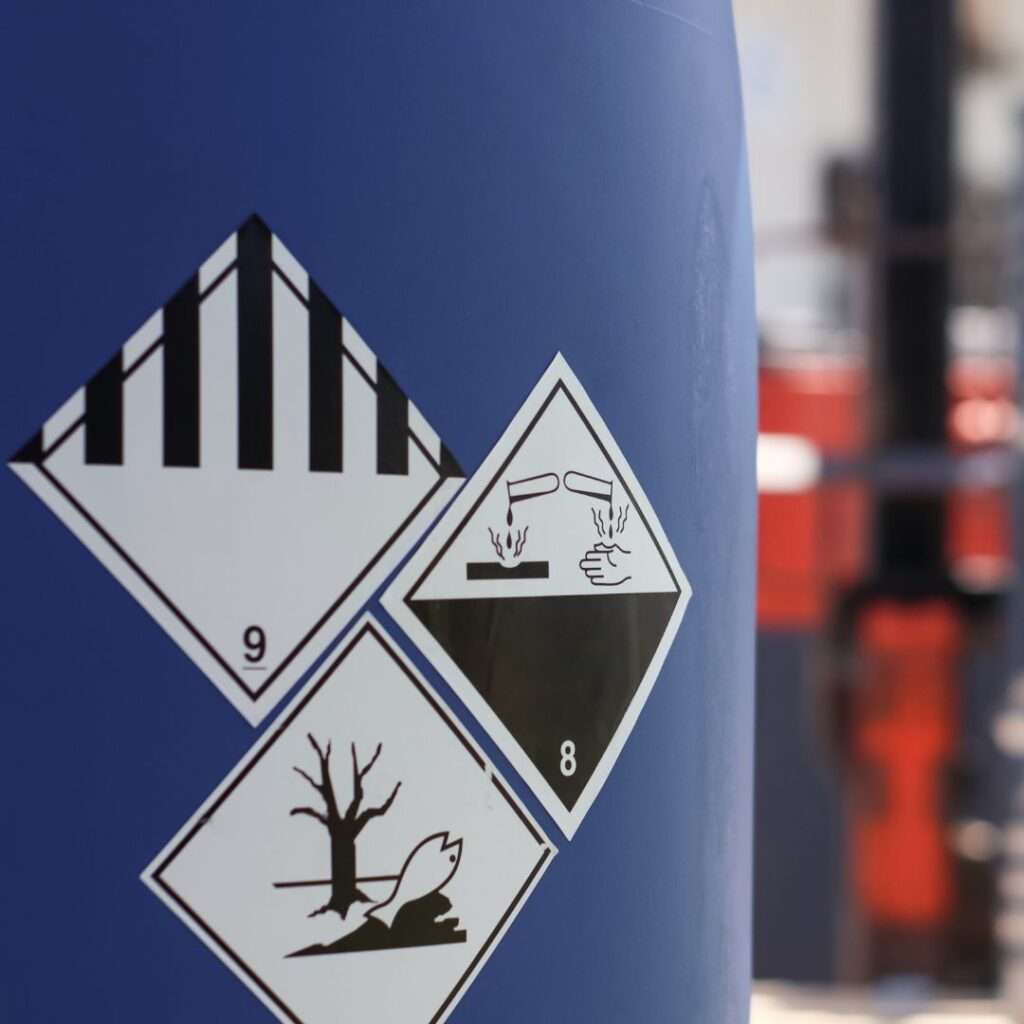
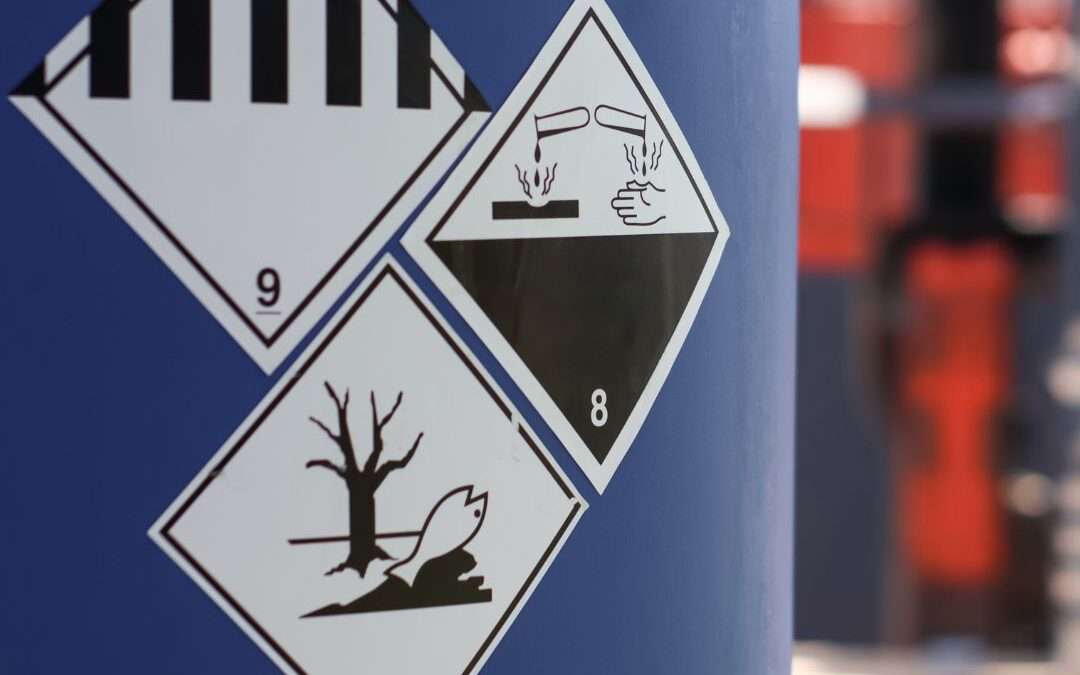
Barrels

CLP labels play a critical role in communication chemical hazards clearly and consistently across the supply chain. For companies operating in oil and gas or other chemical intensive industries, understanding CLP requirements is essential for maintaining safety and regulatory compliance.  

What Are CLP Labels? 

CLP labels are the hazard communication labels required under the EU Classification, Labelling and Packaging Regulation. The CLP Regulation aligns the European Union with the UN Globally Harmonized System (GHS) for classifying and communicating chemical hazards. Its goal is to ensure that workers and consumers receive clear, consistent information about chemical risks regardless of where a product is manufactured or used within the EU. 

Although CLP is an EU specific regulation, its underlying principles follow GHS. This means that companies operating in other regions often encounter similar requirements. Understanding CLP labels therefore helps organisations maintain consistent safety standards across global operations. 

CLP Label Key Components 

CLP sets detailed requirements for how label information must be presented to ensure safe handling and use. According to ECHA, a complete CLP label must include: 

  • Supplier information: The name, address and telephone number of the supplier. From 1 July 2026, this must be an EU based or EU established supplier. 
  • Nominal quantity: The amount of substance or mixture in packages supplied to the general public, unless already specified elsewhere on the packaging. 
  • Product identifiers: Clear identification of the substance or mixture so that users know exactly what it contains. 
  • Hazard information: Where applicable, this includes hazard pictograms, signal words, hazard statements, precautionary statements and any supplemental information required under other legislation. 

CLP also defines how labels must be sized, formatted and positioned on packaging. Labels must be firmly attached to one or more surfaces of the packaging and remain visible, legible and durable throughout the life cycle of the product. 

There are limited exemptions for certain packaging types, such as very small containers (typically less than 125 ml) or packaging that cannot reasonably accommodate full label content. In these cases, some hazard or precautionary statements, or pictograms, may be omitted. 

The Role of Hazard Pictograms  

Hazard pictograms, sometimes referred to as chemical hazard symbols, provide quick visual warnings of the risks associated with a product. Under CLP, nine pictograms may be required depending on the classification of the substance or mixture. These include symbols for flammable materials, oxidisers, corrosive chemicals, acute toxicity, gas under pressure, environmental hazards and more. 
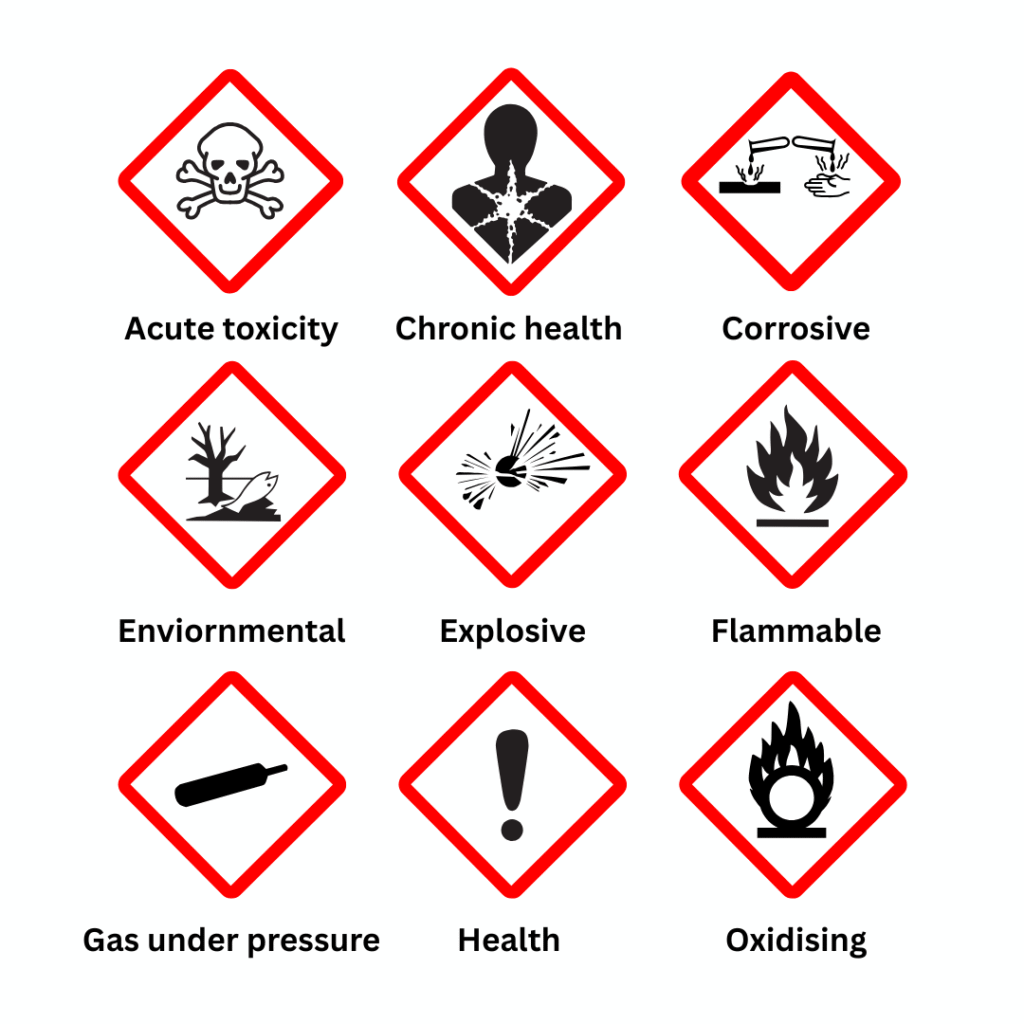
Hazard Pictograms

Pictograms help workers interpret hazards immediately, which is particularly important in high-risk sectors such as oil and gas. Companies must use the correct pictograms based on the most severe hazards present and ensure that they appear clearly and at the required size. 

Read more about hazard pictograms here.

CLP Labels Globally 

How CLP Labels Affect International Companies 

Chemical regulations differ across regions, but most countries now base their rules on the UN GHS model. This creates a degree of consistency, yet differences remain: 

  • Europe beyond the EU: Countries like Norway, Switzerland and the UK maintain frameworks largely aligned with CLP. Following Brexit, GB CLP applies in Great Britain with some divergence from EU CLP. 
  • United StatesOSHA HazCom requires GHS aligned labels but uses some different phrasing and classification criteria. 
  • CanadaWHMIS 2015 aligns closely with GHS but still has distinct Canadian requirements. 
  • Middle East: Countries such as Saudi Arabia, UAE, Qatar and Oman have adopted GHS with local variations in implementation and enforcement. 
  • Asia Pacific: India and other countries follow GHS with region specific adaptations. 

Common Compliance Challenges 

Companies often face similar problems when managing CLP labels: 

  • Keeping hazard classifications updated as regulations change 
  • Maintaining accurate, multilingual label content for multiple regions 
  • Ensuring consistency between safety data sheet (SDS) data and label information 
  • Handling small packaging where space limitations complicate full label content 
  • Reducing manual errors that can lead to non-compliance or safety incidents 
  • Coordinating label updates across distributed teams and international sites 

How ChemCenter Supports CLP Labelling 

ChemCenter is a comprehensive digital solution that simplifies CLP labelling for international companies and solves several compliance challenges.  

Centralised Chemical Data 

ChemCenter consolidates all chemical information in one secure system. Classifications, hazard data and SDS content are interpreted automatically with digital tools, ensuring that every label is generated from accurate and consistent information. This significantly reduces the risk of manual errors and duplicated data handling.

Global SDS Database 

ChemCenter includes access to a global database containing more than 13 million data sheets, giving users a broad foundation of verified chemical information. Companies can also upload their own SDS.

Efficient Labelling Workflows 

From creation to printing and revision control, ChemCenter streamlines every step of the labelling process. Automated workflows help ensure that updates are applied consistently, and that obsolete labels are phased out. This allows organisations to respond quickly to regulatory changes and maintain compliance across multiple facilities.

Reduced Compliance Risk

By aligning label data with updated classifications and regulatory changes in real time, ChemCenter helps companies avoid costly non-compliance, product recalls and safety incidents. The platform supports internal oversight and ensures that label content always reflects the latest regulatory standards.

As global chemical regulations continue to evolve, accurate and compliant CLP labelling is essential for safe operations and maintaining market access. Companies must manage complex requirements, regional variations and constantly changing hazard data, often across multiple sites and countries. ChemCenter provides a reliable solution that simplifies these challenges by centralising data, streamlining workflows and supporting consistent, up to date labelling worldwide. 
Free Downloadable CLP Poster

Hazard Symbols and Chemical Labelling

Hazard Symbols and Chemical Labelling

Hazard Symbols and Chemical Labelling

Chemical hazard symbol

Chemicals play an important role in many industries. They are found everywhere – from laboratories and factories to agriculture, cleaning, and construction. Alongside their usefulness comes a duty: ensuring that people and the environment are protected from potential harm. That is where hazard symbols and chemical labelling come in.

In this article, we have gathered everything you need to know about hazard symbols, what they mean, how they should be used, and the relevant laws and regulations.

Hazard Symbols Explained

What exactly is a hazard symbol? A hazard symbol (also known as a pictogram or chemical hazard label) is a standardised image that represents the risk a chemical product may pose to human, health, property, or the environment.

The goal is to provide clarity when working with hazardous chemicals. Anyone, regardless of background or language, should be able to recognize and understand the potential danger. For example, a picture of a skull instantly signals that the product is poisonous. This universal design makes chemical safety communication clear, fast, and effective.

Where are hazard symbols located? Hazard symbols are always clearly displayed on any product containing hazardous chemicals, for example:

Some workplaces also use larger versions of the pictograms on signage to remind employees of potential hazards in specific areas, such as storage rooms, mixing stations, or production lines.

What Do the Hazard Symbols Mean?

Hazard symbols are recognisable as red and white diamonds. Each symbol has its own meaning, and these are the most common ones:

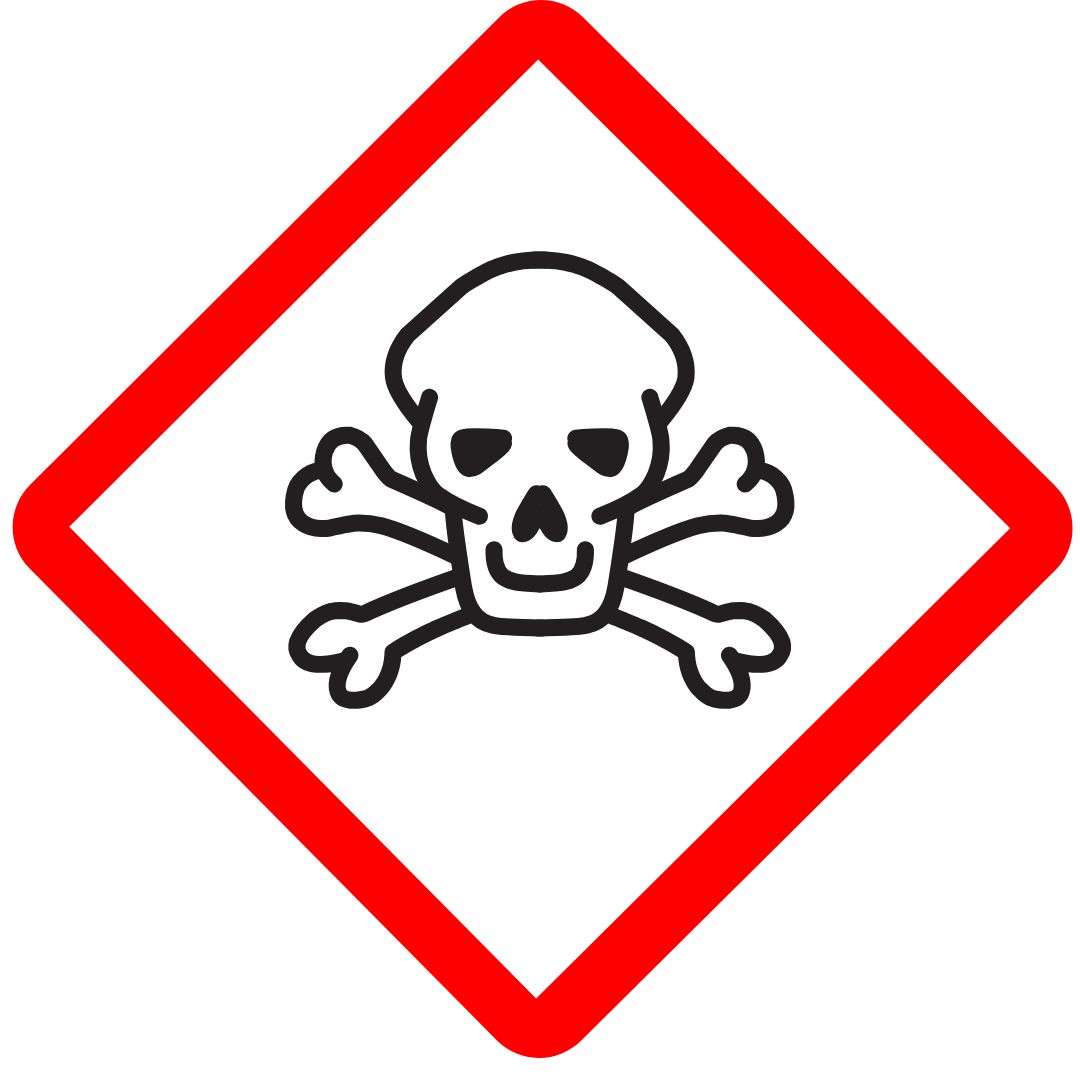
Akutt giftig faresymbol

Acute toxicity:
Substances that can cause severe poisoning or be fatal if swallowed, inhaled, or absorbed through the skin.

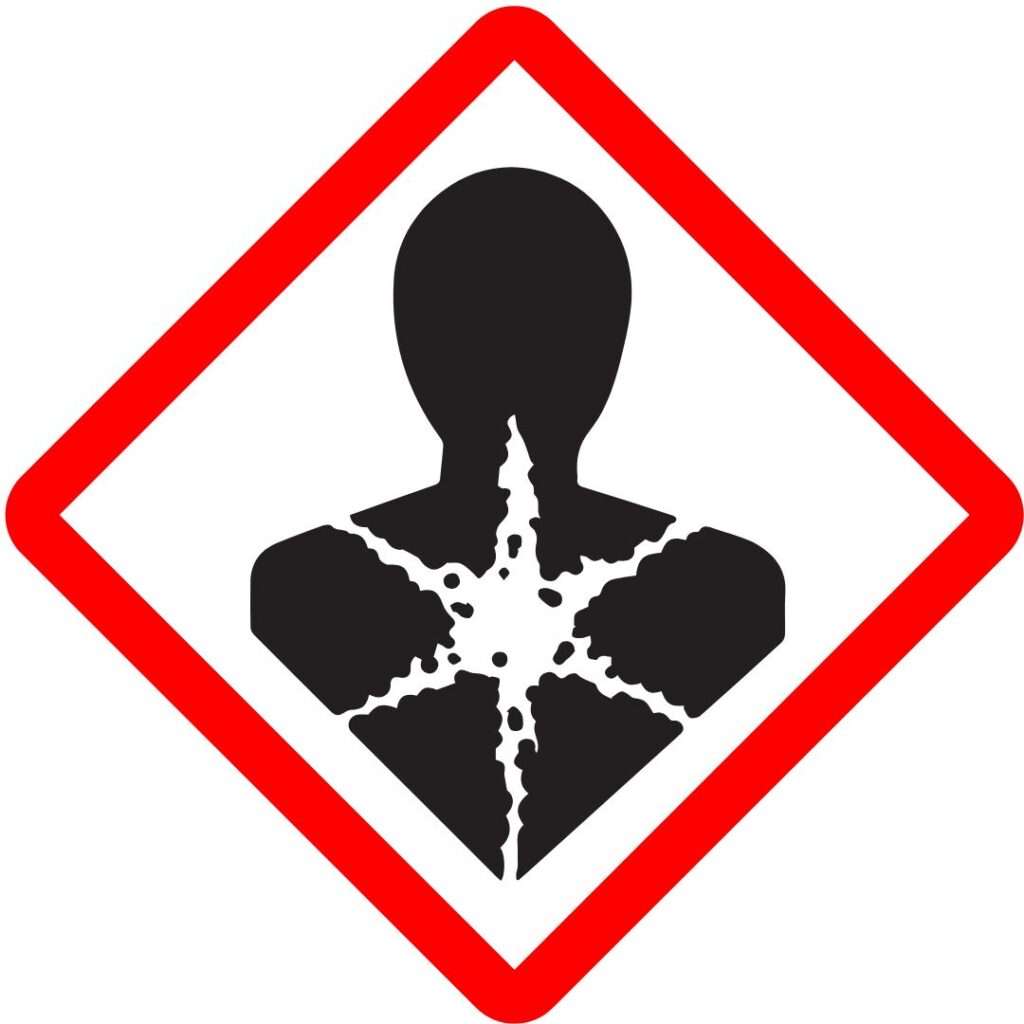
Chronic health hazard symbol

Chronic health hazard:

Used for substances that can cause long-term health problems such as cancer, genetic mutations, reproductive damage, or chronic respiratory issues.

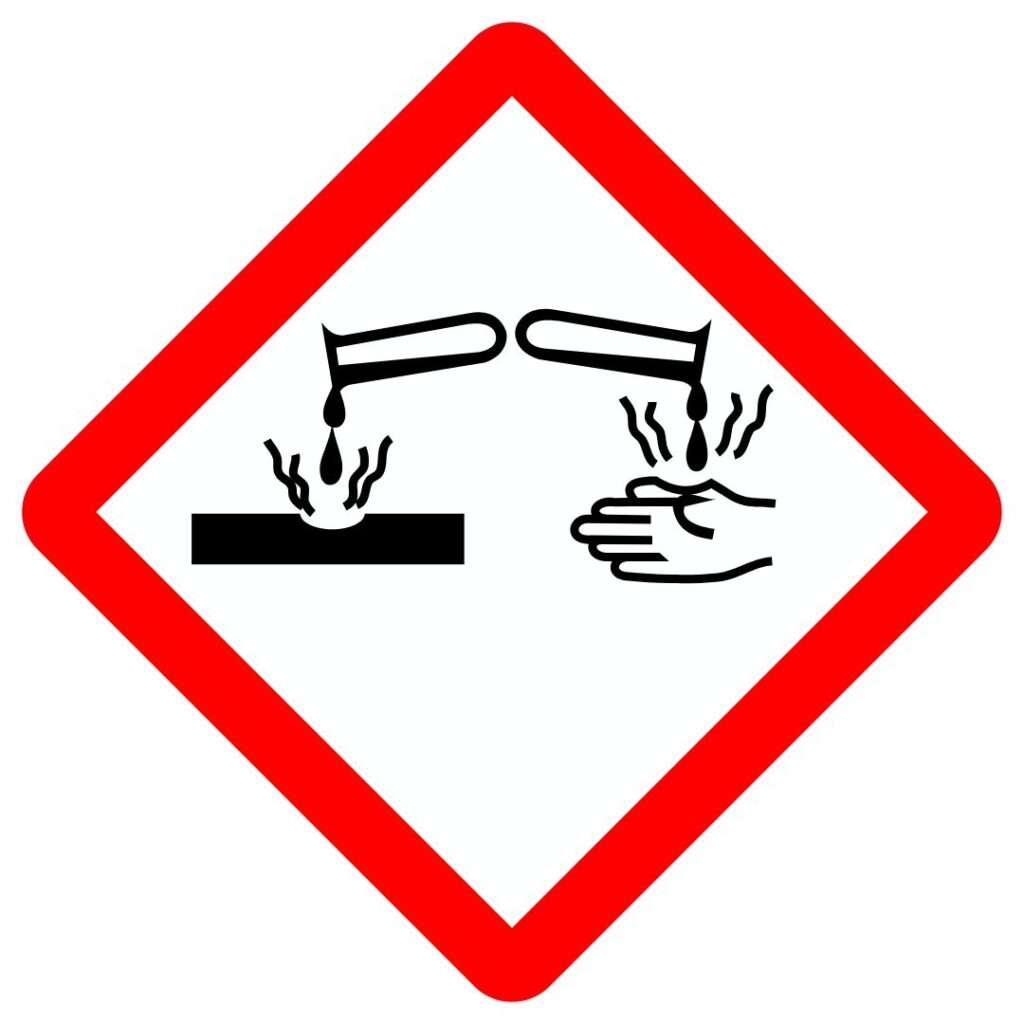
Corrosive hazard symbol

Corrosive:

Chemicals that can destroy skin, eyes, or other materials. They may also corrode metals or surfaces they come into contact with.

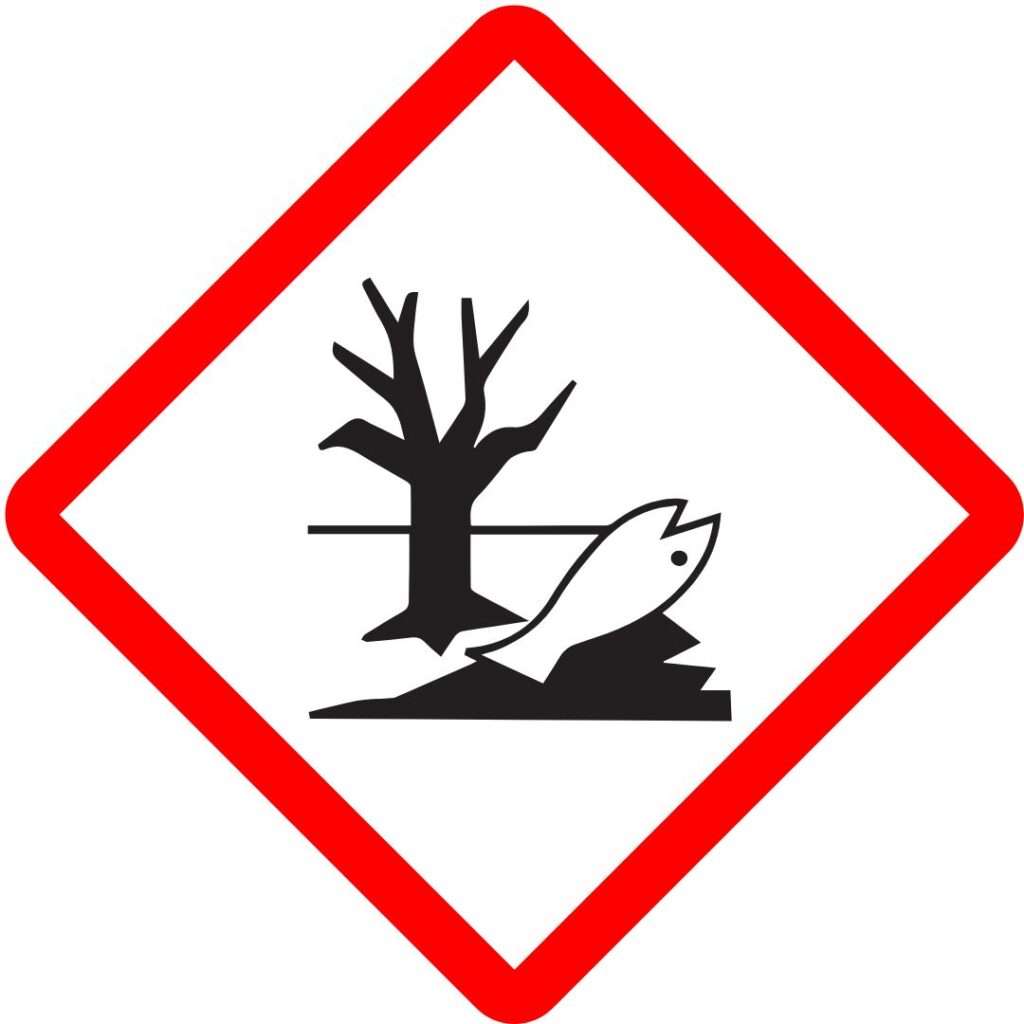
Environmental hazard symbol

Environmental hazard:

Indicates that a substance is toxic to aquatic life or may cause long-term harm to ecosystems. These chemicals must be disposed of carefully to prevent environmental contamination.

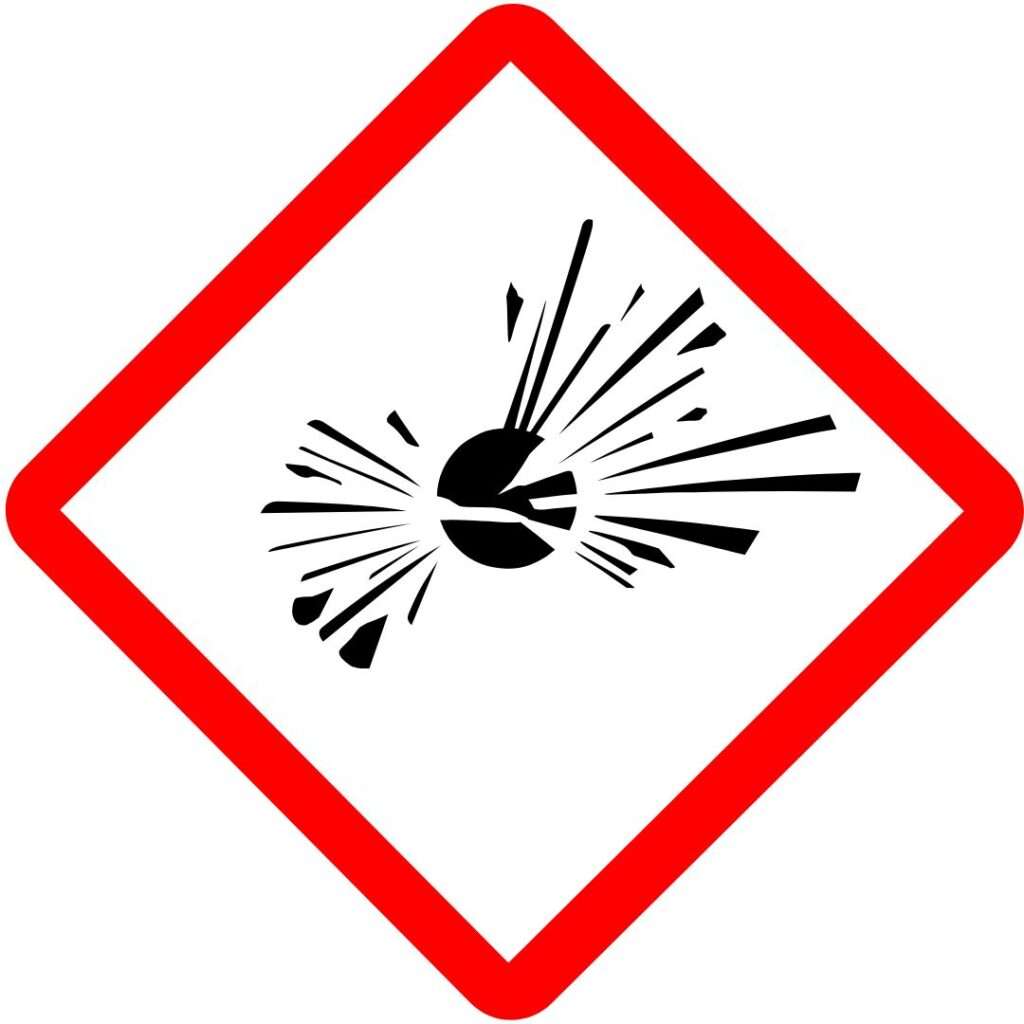
Explosive hazard symbol

Explosive:

Substances or mixtures that may explode when exposed to impact, friction, or heat. They must be handled and stored under strict conditions.

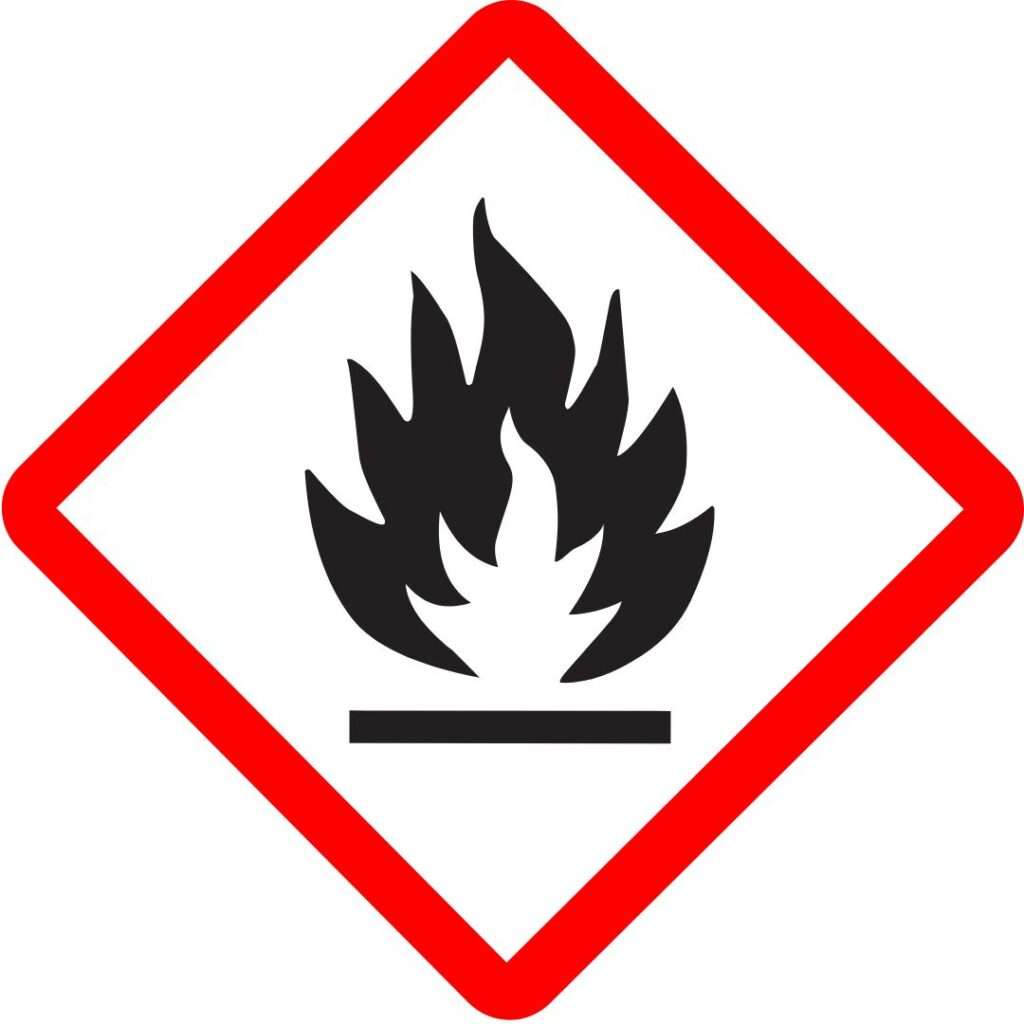
Flammable hazard symbol

Flammable:

Used for liquids, gases, and solids that can easily catch fire. Some may ignite spontaneously in air or release flammable gas when in contact with water.

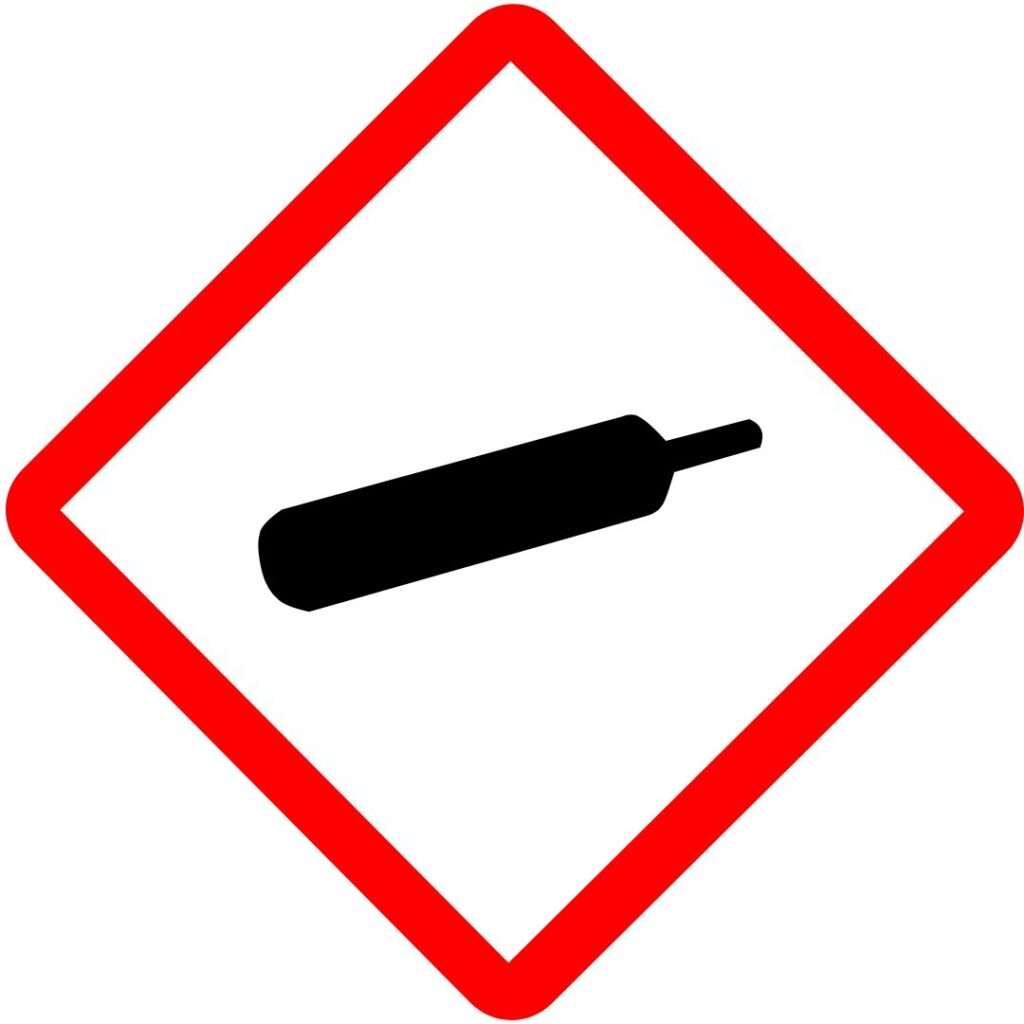
Gas under pressure hazard symbol

Gas under pressure:

Identifies cylinders or containers holding compressed, liquefied, or refrigerated gases. These can explode if exposed to heat or cause cold burns upon contact.

Health hazard symbol

Health hazard (irritant):

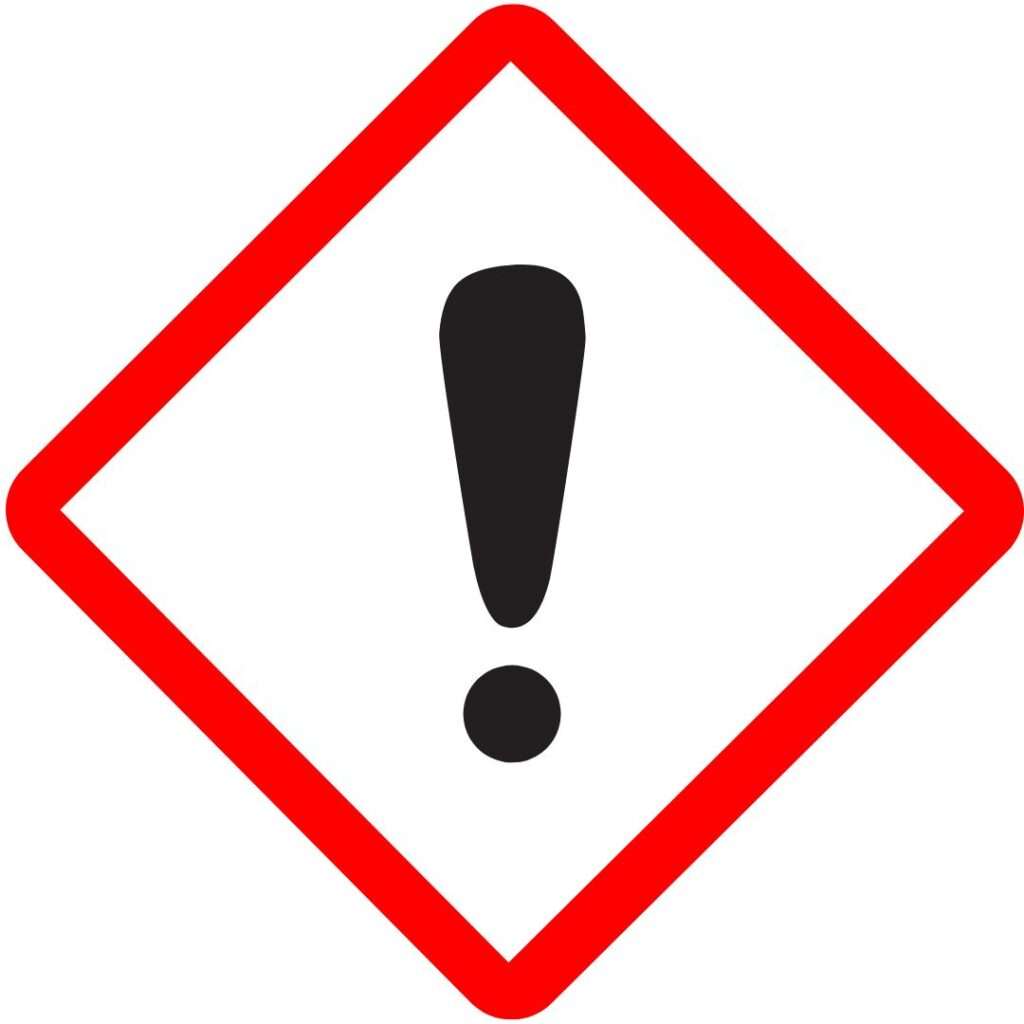
Indicates products that can cause irritation to the eyes, skin, or airways, trigger allergic reactions, or cause dizziness or drowsiness.

Oxidising hazard symbol

Oxidising:

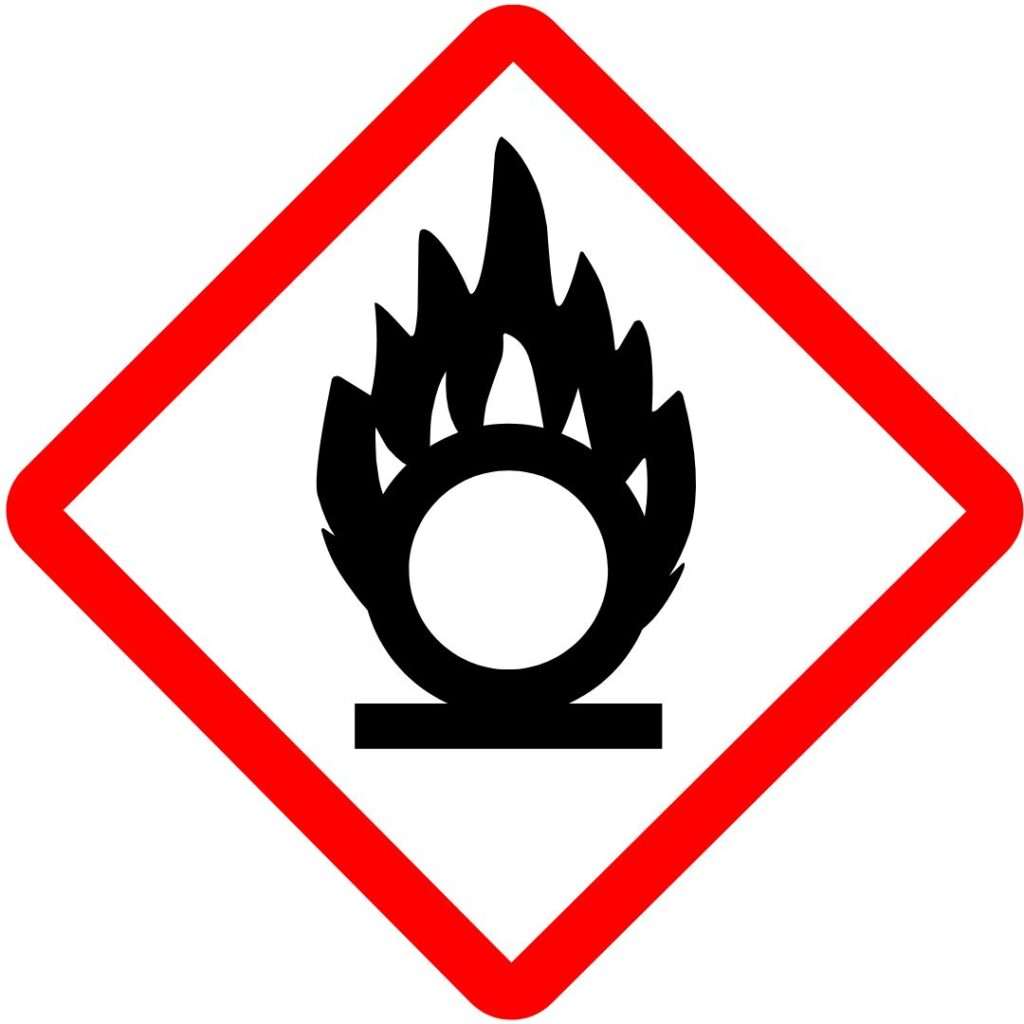
Chemicals that can intensify a fire or help other substances ignite by releasing oxygen during a reaction.

How to Handle Hazardous Chemicals Safely

When working with hazardous substances, the labelling should include relevant hazard pictograms, warnings words, and H- and P-phrases (hazard and precautionary statements).

You should always:

  • Carefully read the label before use
  • Check the SDS for details
  • Follow the handling instructions precisely
  • Wear the correct personal protective equipment (PPE)
  • Make sure there is adequate ventilation
  • Avoid mixing different substances unless explicitly instructed
  • Wash hands, clothing, and tools thoroughly after use
  • Seek immediate medical help or contact emergencies if an accident occurs

If a chemical product does not include hazard symbols or safety information, the employer or supplier should be notified, as they are responsible for ensuring that this information is available and compliant with regulations.

Legal Frameworks and Regulations

In Europe, chemical labelling is based on the EU CLP Regulation (Classification, Labelling and Packaging), which is built on the GHS (Globally Harmonised System). This common framework ensures a global approach so that everyone uses the same symbols and definitions.

The REACH Regulation (Registration, Evaluation, Authorisation and Restriction of Chemicals) regulates how chemicals are registered, evaluated, and authorised before being places on the market.

Together, CLP and REACH form the backbone of chemical safety legislation in Europe and also influence regulatory systems in other regions.

Other relevant international regulations include:

  • United States: The OSHA (Occupational Safety and Health Administration) HCS (Hazard Communication Standard), which aligns with the GHS system
  • Canada: The WHMIS (Workplace Hazardous Materials Information System), which incorporates GHS principles for chemical classification and labelling
  • Australia: The WHS (Work Health and Safety) Regulations, which also follow GHS principles for classification and labelling
  • Asia-Pacific and other regions: Many countries, such as Japan, South Korea, and Singapore, have implemented GHS-aligned regulations for labeling and SDS requirements

In addition to international systems like GHS and CLP, many countries have developed their own national frameworks or designated regulatory authorities to ensure that chemical classification, labelling, and safety practices are properly followed. While the overall principles of hazard communication remain the same worldwide, the implementation and enforcement of these systems can differ slightly from country to country.

Why Hazard Symbols Matter

Hazard symbols might seem small, but their impact can be huge. They serve as the visual language of chemical safety, ensuring that anyone, anywhere, can understand a product’s dangers immediately.

By learning what these symbols mean and following the accompanying safety instructions, individuals and companies can create safer workplaces, prevent accidents, and contribute to global efforts to protect health and the environment.