
GHS Labels
GHS Labels
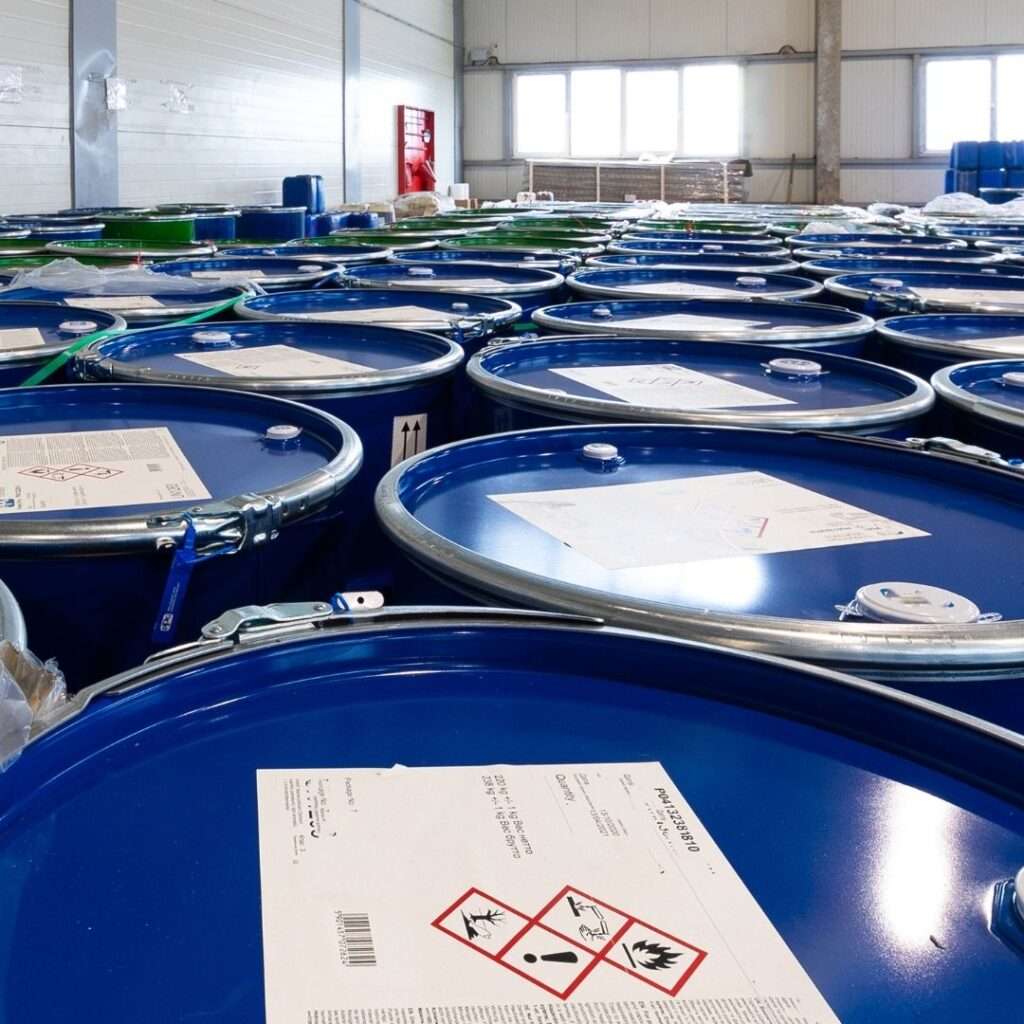
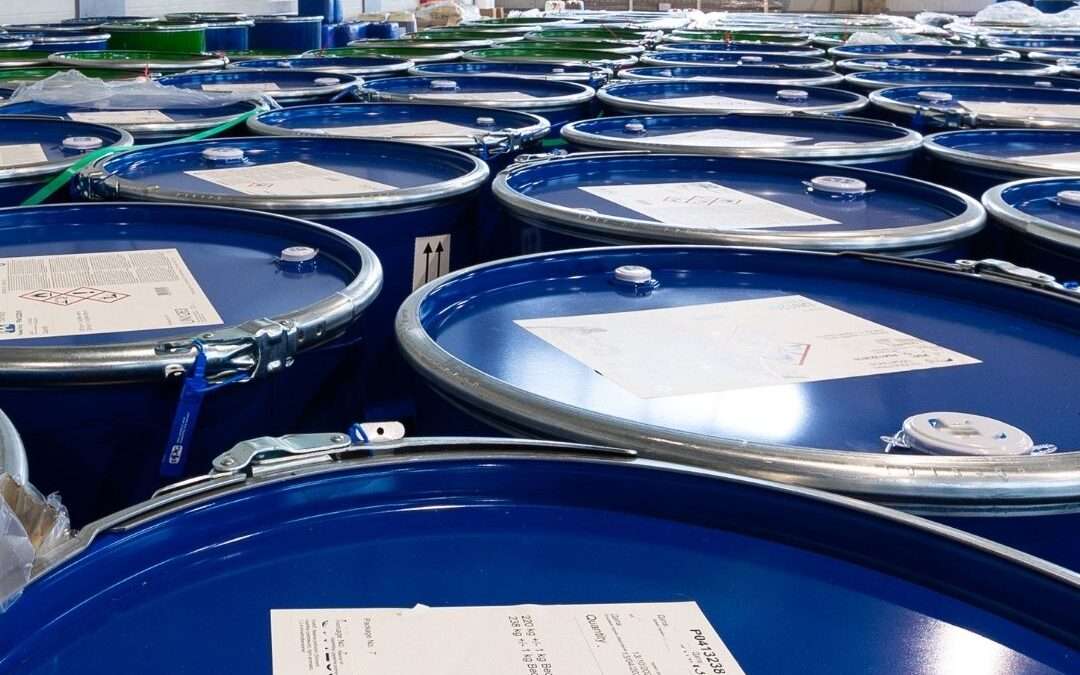
GHS labels provide a standardised approach to chemical labelling that is recognised across borders and industries. By presenting hazard information consistently and clearly, these labels ensure that everyone handling chemicals understands the associated risks and the measures needed to work safely, regardless of location or language.
What is GHS?
GHS is short for the “Globally Harmonized System of Classification and Labelling of Chemicals” and represents an internationally agreed framework developed by the United Nations to ensure that information about chemical hazards remains consistent and understandable worldwide.
The purpose of GHS is to harmonise how chemicals are classified based on their physical, health and environmental hazards, and how those hazards are communicated through labels and safety data sheets (SDS). Previously, different countries used different systems, symbols and terminology, which created confusion and increased the risk of accidents, particularly for companies operating across borders.
Why GHS Labels Are Important
GHS itself is not a law. Instead, it provides a common foundation that countries and regions use to develop their own chemical regulations.
GHS labels provide clearly structured and standardised information about chemical hazards, thereby supporting safe handling, storage and use. For example, in oil and gas operations, where chemicals may be flammable, corrosive, toxic or harmful, incorrect or inconsistent labelling can have serious consequences.
Furthermore, by standardising how hazards are communicated through text and symbols, GHS labels help reduce risk, improve safety awareness, and support regulatory compliance across international operations.
Key Elements of a GHS Label
A GHS label consists of key elements designed to communicate hazard information clearly and effectively:
- Product identifier: The chemical name or identifier that matches the substance with its SDS.
- Supplier information: Details of the manufacturer, importer or distributor, including contact information.
- Signal words: “No signal word”, “Danger” or “Warning”, indicating the relative severity of the hazard.
- Hazard statements: Standardised phrases describing the nature and degree of the hazard.
- Precautionary statements: Guidance on measures to minimise or prevent adverse effects, including safe handling, storage, disposal and emergency response.
- Hazard pictograms: GHS uses a set of standard hazard symbols, also known as pictograms, to visually communicate chemical hazards. These symbols are easy to recognise and quick to understand, even in multilingual workplaces.
Together, these elements ensure that chemical hazards are communicated in a clear, consistent and internationally recognised way.

GHS Implemented Worldwide
GHS is a global system, but countries and regions implement it through national and regional regulations. Although the underlying principles are aligned, specific legal requirements may vary. Therefore, global organisations must carefully manage chemical classifications, hazard statements, and hazard symbols to remain compliant across jurisdictions.
Examples of GHS implementation include:
- Europe: GHS is implemented through the Classification, Labelling and Packaging Regulation, commonly referred to as CLP. CLP defines how substances and mixtures must be classified, labelled, and packaged within the European Economic Area. The United Kingdom continues to apply a similar CLP-based framework after Brexit, with some local adaptations.
- United States and Canada: In the United States, GHS is incorporated into OSHA’s Hazard Communication Standard. Canada applies GHS through the Workplace Hazardous Materials Information System, known as WHMIS.
- Middle East and Asia-Pacific: Many countries in the Middle East and Asia-Pacific, including Saudi Arabia, the United Arab Emirates and India, have adopted or are continuing to develop GHS-based regulations.
GHS labels play a key role in improving chemical safety and supporting regulatory compliance across global operations. By standardising how hazards are classified and communicated, GHS helps organisations reduce risk and improve safety awareness. With varying regional requirements, managing GHS compliance can be complex.