What AI Means for Chemical Substitution Management

What AI Means for Chemical Substitution Management

What AI Means for Chemical Substitution Management

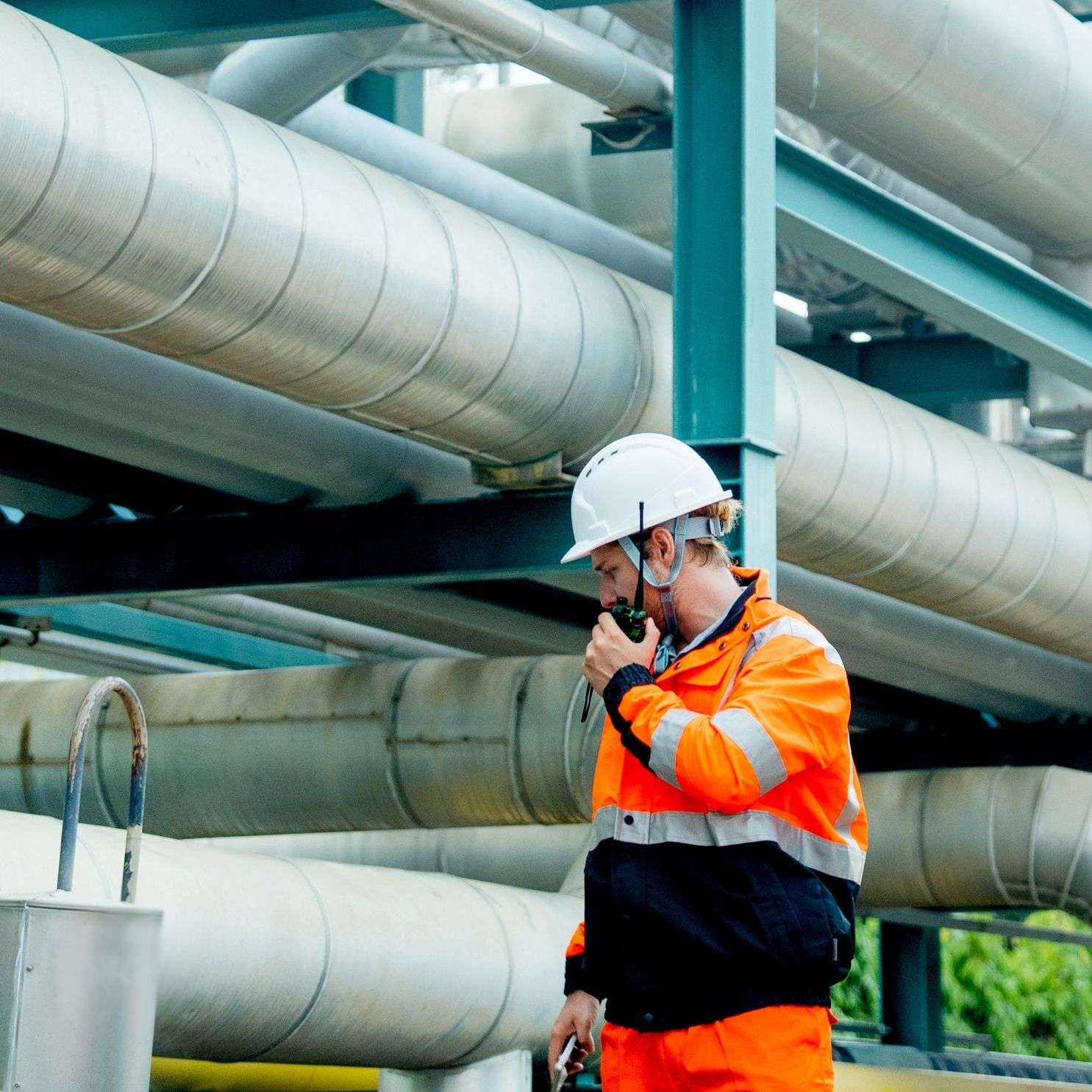
Worker at oil refinery

Chemical substitution is becoming a central priority for companies that handle hazardous substances. Traditionally, finding safer alternatives has required significant manual effort. AI is changing this entirely. In this article, we explain in what way.

Challenges in Traditional Chemical Substitution

Finding safer alternatives (substitution) is essential for reducing health risks, improving environmental performance and meeting global regulatory expectations. Substitution is increasingly expected by regulators, customers and investors across Europe, the Middle East, North America and Asia-Pacific.

Despite its importance, substitution is traditionally difficult.

Many organisations must manually compare hazard classifications, performance characteristics, regulatory requirements and supply chain constraints. As a result, substitution processes are often slow, fragmented and prone to human error. This can delay safer chemical adoption and make it harder for companies to meet growing ESG expectations.

How AI Can Affect Chemical Substitution

AI introduces a more intelligent, data-driven approach to chemical substitution. Instead of relying on manual comparisons, scattered data and expert judgement alone, AI can analyse large volumes of chemical information in seconds and highlight safer, compliant and operationally suitable alternatives. It brings structure, consistency and predictive capability to a process that has traditionally been slow and uncertain.

Faster Identification of Safer Alternatives

Instead of searching manually, AI can instantly analyse extensive chemical datasets and SDS records and suggest alternatives that offer reduced hazards, similar performance and better regulatory outcomes. This speeds up decision-making by helping organisations respond quickly to regulatory changes.

Automated Hazard and Risk Assessment

AI can help interpret complex data, classify hazards and estimate risk scores automatically. This removes inconsistency caused by manual interpretation and ensures every substance is evaluated within a standard, reliable framework. AI can also help flag chemicals with missing or outdated data, ensuring assessments remain accurate.

Compliance Assurance Across Global Regulations

With operations often spanning multiple countries, compliance demands may vary. AI continuously tracks regulatory updates across regions and automatically checks whether a substance or its alternative is compliant. This protects organisations from unintentional non-compliance and helps maintain a proactive approach to international chemical safety expectations.

Enhanced Sustainability and ESG Performance

AI can help organisations assess environmental impacts by comparing biodegradability, ecotoxicity, emissions and lifecycle considerations. As a result, it can help with ESG reporting and strengthen the organisation’s environmental profile across global markets.

Important: Although AI provides valuable insights, it is not fully reliable on its own. All AI-generated recommendations should be reviewed and validated by qualified experts to ensure accuracy, safety and regulatory compliance.

AI is transforming chemical substitution by simplifying complex processes, speeding up evaluations and enabling safer, more sustainable decisions. For organisations looking to reduce risk and meet global regulatory and ESG expectations, AI-powered chemical systems may be the way to go forward. By integrating AI into their systems, companies can modernise operations, improve safety and be prepared for future regulatory requirements.

Chemical Hazards in the Oil and Gas Sector 

Chemical Hazards in the Oil and Gas Sector 

Chemical Hazards in the Oil and Gas Sector 

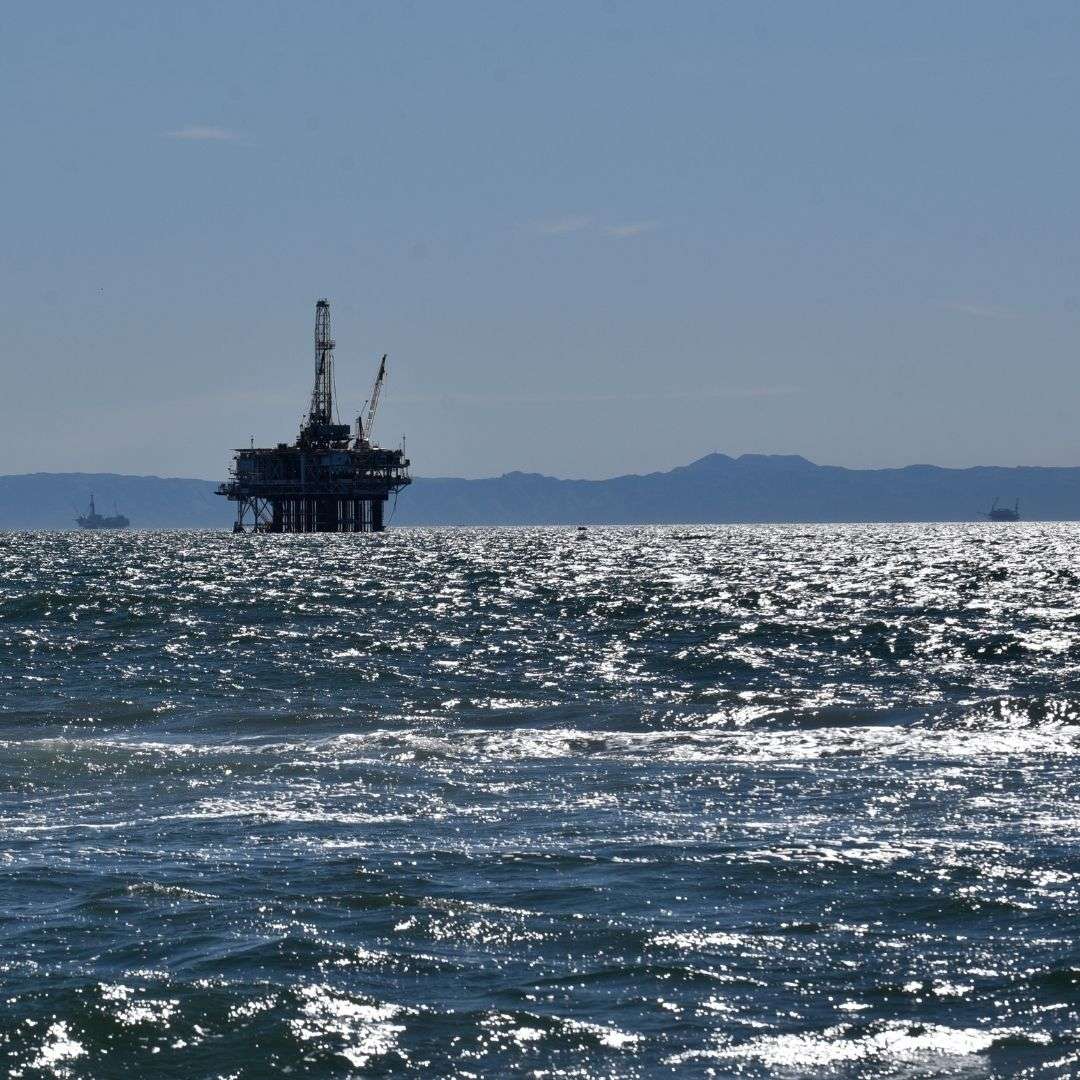
Chem hazards in oil and gas

Chemicals play a vital role in the oil and gas sector, but behind everyday use lie significant risks. When chemicals are poorly managed, they can threaten health, damage equipment, and harm the environment.

Chemicals in Offshore and Land-Based Operations 

Chemicals are used daily across offshore installations and land-based facilities. They are essential for drilling, production, maintenance, and cleaning activities, supporting everything from corrosion protection and scale prevention to water treatment and lubrication.

Used correctly, these substances enable reliable and efficient operations for both operators and drilling contractors. However, their widespread use also means that even minor lapses in handling, labelling, or documentation can create significant safety and environmental consequences.

Common Chemicals and Their Use: 

  • Acids: Used for cleaning and well stimulation.
  • Biocides: Prevent bacterial growth in water systems.
  • Corrosion inhibitors: Protect pipelines and equipment from rust.
  • Degreasers: Clean machinery and remove oil residues.
  • Demulsifiers: Separate oil, water, and solids in production.
  • Drilling additives: Control pressure and lubricate during drilling.
  • Glycols: Prevent freezing and hydrate formation.
  • Hydraulic fluids: Power valves, pumps, and tools.
  • Scale inhibitors: Prevent mineral build-up in wells and pipelines.

Typical Chemical Hazards and Risks 

Chemical hazards affect people, the environment, and operational performance across the oil and gas sector. 

Health Hazards 

  • Toxic exposure: Inhalation of vapours, mists, or dusts may cause respiratory irritation, dizziness, or long-term health effects.
  • Skin and eye contact: Many chemicals are corrosive or irritating, posing risks of burns, dermatitis, or eye injury.
  • Flammability and explosion risk: Solvents, fuels, and gases can ignite under specific conditions, especially in enclosed or poorly ventilated areas.
  • Reactivity: Incompatible chemicals may react violently, generate heat, or release toxic gases.
  • Chronic health effects: Long-term exposure can contribute to neurological, reproductive, or carcinogenic outcomes.
  • Sensitising risk: Certain substances, including diisocyanates, are strong respiratory and skin sensitisers. Repeated or prolonged exposure may cause allergic skin reactions, occupational asthma, or long-term breathing difficulties, with symptoms potentially occurring even at very low exposure levels once sensitisation has developed. 

Environmental Hazards 

  • Marine pollution: Offshore spills can spread rapidly, affecting marine life and coastal ecosystems.
  • Soil and groundwater contamination: Land-based spills or improper disposal can cause long-term environmental impact.
  • Air emissions: VOCs and other fumes released during handling or disposal contribute to air pollution and create hazardous vapours.

Operational Hazards 

  • Corrosion and material degradation: Poor control of corrosive substances can weaken pipelines, tanks, and valves.
  • Equipment malfunction: Contamination or incompatible products may damage pumps, sensors, or control systems.
  • Storage and containment failures: Poor segregation, temperature control, or maintenance increases the risk of instability or leaks.
  • Process disruption: Mismanaged inventories can cause delays, shutdowns, or reduced efficiency.
  • Emergency response limitations: Incorrectly labelled or untraceable chemicals complicate firefighting and incident response.
Oil and gas worker

Staying Clear of Chemical Hazards and Risks 

Managing chemical risks is all about preventing incidents before they occur. 

Stay Compliant

In the oil and gas sector, chemical management must meet strict industry-specific regulations alongside general health and safety requirements. Clear documentation, robust controls, and regular audits help ensure safe operations and ongoing compliance.

Clear Procedures and Training 

Conduct regular risk assessments and ensure clear handling and storage guidelines are in place. Continuous training and a strong safety culture help staff recognise hazards early and respond effectively.

Accurate Labelling and Documentation 

Keep safety data sheet (SDS) and risk report updated and accessible, and use standardised, multilingual labelling across all sites. Full traceability, from delivery to disposal, reduces the risk of errors and non-compliance.

Adequate Personal Protective Equipment (PPE)

Select and use PPE suited to each chemical and task. Proper gloves, eye protection, and respiratory equipment reduce exposure risks and support safe handling.

Safe Storage and Maintenance 

Separate incompatible chemicals, maintain containment systems, and carry out regular inspections to detect leaks or corrosion before they escalate.

Digital Oversight 

Digital tools make it easier to track inventories, check compatibility, and share data between locations. Real-time visibility helps prevent incidents and simplifies reporting. Real-time visibility helps prevent incidents and simplifies reporting, particularly in complex, multi-site oil and gas operations. Where connectivity is limited, offline functionality ensures critical chemical data remains available, with updates synchronised automatically once a connection is restored.

Chemicals will always be a vital part of the oil and gas industry, supporting everything from drilling and production to maintenance and safety. But with their benefits come undeniable risks. In such complex and high-pressure environments, effective chemical management is not optional – it is essential. By combining clear procedures, continuous training, and digital tools, companies can turn chemical safety from a compliance task into a core part of the operation. 

CLP Labels Explained

CLP Labels Explained

CLP Labels Explained 

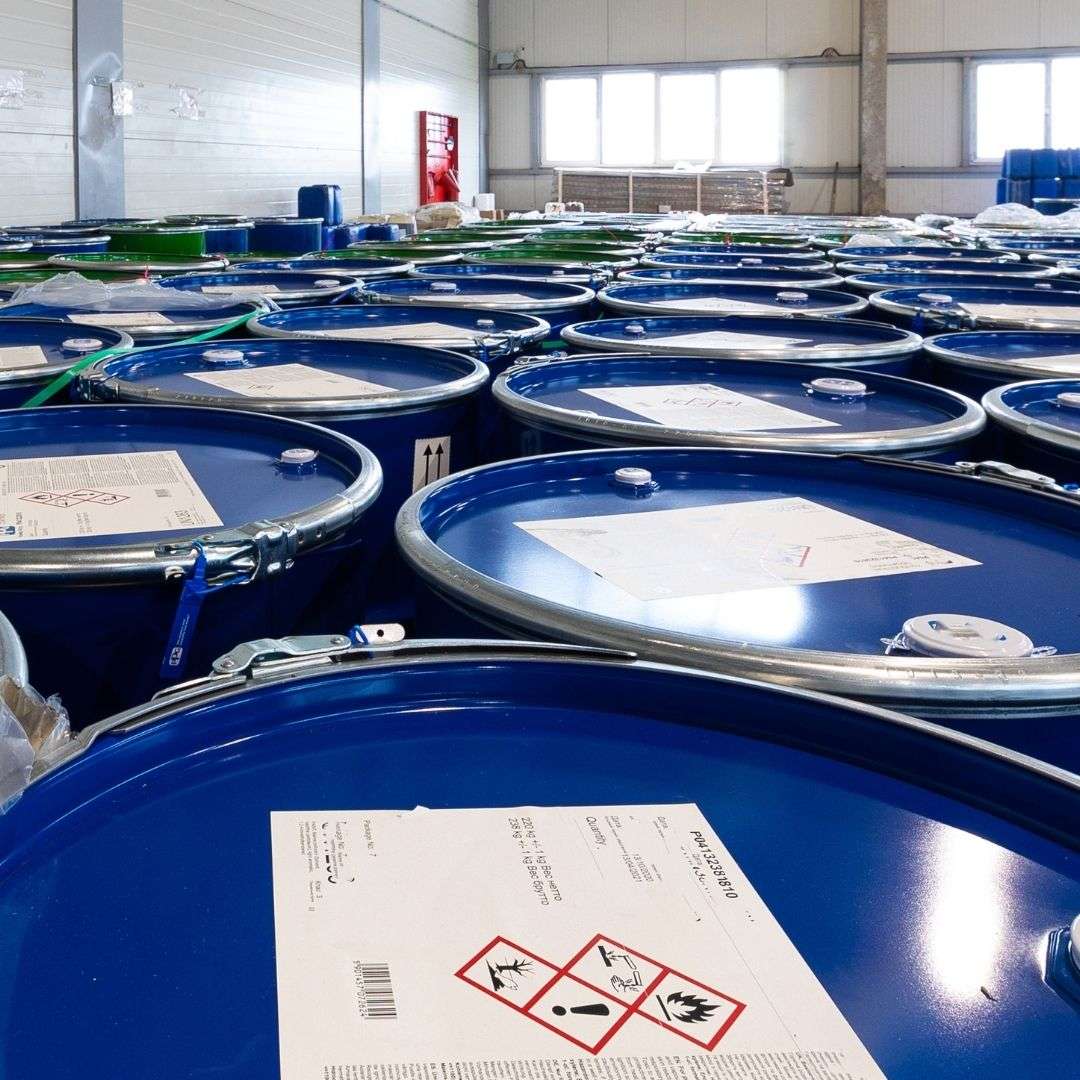
Barrels

CLP labels play a critical role in communication chemical hazards clearly and consistently across the supply chain. For companies operating in oil and gas or other chemical intensive industries, understanding CLP requirements is essential for maintaining safety and regulatory compliance.  

What Are CLP Labels? 

CLP labels are the hazard communication labels required under the EU Classification, Labelling and Packaging Regulation. The CLP Regulation aligns the European Union with the UN Globally Harmonized System (GHS) for classifying and communicating chemical hazards. Its goal is to ensure that workers and consumers receive clear, consistent information about chemical risks regardless of where a product is manufactured or used within the EU. 

Although CLP is an EU specific regulation, its underlying principles follow GHS. This means that companies operating in other regions often encounter similar requirements. Understanding CLP labels therefore helps organisations maintain consistent safety standards across global operations. 

CLP Label Key Components 

CLP sets detailed requirements for how label information must be presented to ensure safe handling and use. According to ECHA, a complete CLP label must include: 

  • Supplier information: The name, address and telephone number of the supplier. From 1 July 2026, this must be an EU based or EU established supplier. 
  • Nominal quantity: The amount of substance or mixture in packages supplied to the general public, unless already specified elsewhere on the packaging. 
  • Product identifiers: Clear identification of the substance or mixture so that users know exactly what it contains. 
  • Hazard information: Where applicable, this includes hazard pictograms, signal words, hazard statements, precautionary statements and any supplemental information required under other legislation. 

CLP also defines how labels must be sized, formatted and positioned on packaging. Labels must be firmly attached to one or more surfaces of the packaging and remain visible, legible and durable throughout the life cycle of the product. 

There are limited exemptions for certain packaging types, such as very small containers (typically less than 125 ml) or packaging that cannot reasonably accommodate full label content. In these cases, some hazard or precautionary statements, or pictograms, may be omitted. 

The Role of Hazard Pictograms  

Hazard pictograms, sometimes referred to as chemical hazard symbols, provide quick visual warnings of the risks associated with a product. Under CLP, nine pictograms may be required depending on the classification of the substance or mixture. These include symbols for flammable materials, oxidisers, corrosive chemicals, acute toxicity, gas under pressure, environmental hazards and more. 

Hazard Pictograms

Pictograms help workers interpret hazards immediately, which is particularly important in high-risk sectors such as oil and gas. Companies must use the correct pictograms based on the most severe hazards present and ensure that they appear clearly and at the required size. 

Read more about hazard pictograms here.

CLP Labels Globally 

How CLP Labels Affect International Companies 

Chemical regulations differ across regions, but most countries now base their rules on the UN GHS model. This creates a degree of consistency, yet differences remain: 

  • Europe beyond the EU: Countries like Norway, Switzerland and the UK maintain frameworks largely aligned with CLP. Following Brexit, GB CLP applies in Great Britain with some divergence from EU CLP. 
  • United StatesOSHA HazCom requires GHS aligned labels but uses some different phrasing and classification criteria. 
  • CanadaWHMIS 2015 aligns closely with GHS but still has distinct Canadian requirements. 
  • Middle East: Countries such as Saudi Arabia, UAE, Qatar and Oman have adopted GHS with local variations in implementation and enforcement. 
  • Asia Pacific: India and other countries follow GHS with region specific adaptations. 

Common Compliance Challenges 

Companies often face similar problems when managing CLP labels: 

  • Keeping hazard classifications updated as regulations change 
  • Maintaining accurate, multilingual label content for multiple regions 
  • Ensuring consistency between safety data sheet (SDS) data and label information 
  • Handling small packaging where space limitations complicate full label content 
  • Reducing manual errors that can lead to non-compliance or safety incidents 
  • Coordinating label updates across distributed teams and international sites 

How ChemCenter Supports CLP Labelling 

ChemCenter is a comprehensive digital solution that simplifies CLP labelling for international companies and solves several compliance challenges.  

Centralised Chemical Data 

ChemCenter consolidates all chemical information in one secure system. Classifications, hazard data and SDS content are interpreted automatically with digital tools, ensuring that every label is generated from accurate and consistent information. This significantly reduces the risk of manual errors and duplicated data handling.

Global SDS Database 

ChemCenter includes access to a global database containing more than 13 million data sheets, giving users a broad foundation of verified chemical information. Companies can also upload their own SDS.

Efficient Labelling Workflows 

From creation to printing and revision control, ChemCenter streamlines every step of the labelling process. Automated workflows help ensure that updates are applied consistently, and that obsolete labels are phased out. This allows organisations to respond quickly to regulatory changes and maintain compliance across multiple facilities.

Reduced Compliance Risk

By aligning label data with updated classifications and regulatory changes in real time, ChemCenter helps companies avoid costly non-compliance, product recalls and safety incidents. The platform supports internal oversight and ensures that label content always reflects the latest regulatory standards.

As global chemical regulations continue to evolve, accurate and compliant CLP labelling is essential for safe operations and maintaining market access. Companies must manage complex requirements, regional variations and constantly changing hazard data, often across multiple sites and countries. ChemCenter provides a reliable solution that simplifies these challenges by centralising data, streamlining workflows and supporting consistent, up to date labelling worldwide. 

Chemical Risk Assessment

Chemical Risk Assessment

Chemical Risk Assessment

In the oil and gas industry, chemical risk assessment is essential for safe and reliable operations. Drilling, production, processing and maintenance all involve chemicals that can pose significant health, environmental and operational risks if not properly controlled. Establishing a clear and consistent approach to assessing these risks helps companies prevent incidents, protect workers and maintain compliance across diverse global sites and regulatory frameworks.

What Is a Risk Assessment?

A risk assessment is a systematic process used to identify potential hazards, evaluate the likelihood and severity of harm and determine the measures needed to control those risks. In the context of chemical safety and broader risk management, this involves understanding the hazardous properties of a substance, analysing how it is used and assessing the potential for worker exposure or accidental release.

Many organisations also use a risk assessment matrix to visualise the relationship between likelihood and consequence. This helps classify risks into categories such as low, medium or high and supports consistent decision-making across departments, sites and regions.

A risk assessment answers three key questions:

  1. What could go wrong?
  2. How likely is it to happen?
  3. What are the consequences?

Why Chemical Risk Assessment Matters

In high-risk environments, for example during surface treatment, well intervention or maintenance activities, inadequate control may lead to acute health effects, chronic exposure problems or severe incidents including fires and explosions.

A comprehensive risk assessment enables organisations to understand these hazards and put effective controls in place. For companies operating internationally, it also helps ensure alignment with regulatory frameworks such as:

Most jurisdictions require employers to document chemical risk assessments in writing. While specific rules differ between countries, the principle is the same. Employers must identify hazardous substances, assess potential exposure and record how risks are controlled. Clear and consistent documentation supports internal communication, provides evidence of compliance during audits and forms the foundation for safe operating procedures.

Chemical Risk Assessment Step by Step

1. Maintain an accurate chemical inventory

An up-to-date chemical inventory with the latest safety data sheets (SDS) is the starting point. Ensure that the SDS complies with globally recognised formats such as GHS and contains reliable information about hazards and safe handling.

2. Identify the inherent hazards

Review SDS data to understand the chemical’s classification, health risks, environmental impacts and physical hazards such as flammability or reactivity.

3. Assess exposure

Evaluate how the substance is used, the quantities handled, possible exposure routes, the work environment, ventilation, existing control measures and the frequency and duration of tasks.

4. Determine the level of risk

Combine the hazard and exposure findings to estimate the overall risk and prioritise necessary actions.

5. Implement and improve control measures

Based on the risk outcome, establish suitable measures. These may include engineering controls, process changes, improved ventilation, automation, safer alternatives, or appropriate personal protective equipment. Ensure these measures are reflected in work instructions, toolbox talks, checklists and training routines.

6. Document, monitor and review

Record the entire process and revisit the assessment when new chemicals are introduced, processes change or equipment is modified. Regular reviews help ensure continuous compliance and improvement.

Digital Tools for Risk Assessments

Digital chemical management tools can make it significantly easier to organise chemical inventories, access SDS documents, streamline risk assessments and maintain proper documentation. For organisations operating across multiple regions, digital systems help standardise processes and ensure compliance with varied regulatory requirements. Integrated features such as automated updates, version control and embedded risk management workflows further strengthen the consistency and quality of assessments.

A robust chemical risk assessment helps companies manage hazardous substances safely, maintain compliance and reduce the likelihood of costly incidents. With structured controls, regular reviews and the support of digital tools, organisations can strengthen their risk management practices and ensure safer, more reliable operations.

Chemical Exposure Register

Chemical Exposure Register

Chemical Exposure Register

Chemical exposure

Working with hazardous substances in high-risk work operations can pose significant health threats, and employers should be aware of the potential consequences of chemical exposure. An exposure register is a critical tool for companies wanting to protect their employees, support compliance with legislation and industry standards, and ensure full traceability of chemical and environmental exposure.

What Is a Chemical Exposure Register?

An exposure register is a structured record that documents an employee’s potential or confirmed exposure to hazardous substances or harmful processes in the workplace. This includes day-to-day operational exposure as well as accidental events such as leaks, spills, equipment failures, overexposure incidents or unexpected contact with dangerous materials.

Why Exposure Tracking Matters

Chronic illnesses linked to occupational exposure may not appear until many years after the event, making proper documentation essential. An exposure register serves several key purposes:

  • Supports long-term health monitoring and medical follow-up
  • Provides evidence in the event of occupational illness or compensation claims
  • Helps employers conduct accurate risk assessments and refine safety measures
  • Improves transparency and accountability within high-risk working environments
  • Ensures compliance with global health and safety legislation

While specific legal requirements vary by region, most regulatory frameworks such as EU REACH, UK COSHH, OSHA in the United States and various international occupational health standards require employers to track exposures to high-risk substances and keep detailed historical records.

What an Exposure Register Should Contain

While the exact requirements vary by country, an effective exposure register generally contains:

  • The employee’s identity and job role
  • The substance or process involved
  • Date, location and duration of the exposure
  • Whether the exposure was routine, accidental or incidental
  • Concentration levels or estimated exposure where available
  • Actions taken such as medical evaluation or corrective measures
  • Relevant safety documentation such as safety data sheet (SDS) references, monitoring results or incident reports

Organisations should only collect exposure data that is relevant, accurate and necessary, in alignment with privacy laws.

Documentation and Storage Requirements

Exposure records should be stored safely and, in some cases, for an extended period depending on the jurisdiction and nature of the hazard. Some countries even require records to be retained for the lifetime of the employee if the substance is known to cause long-latency health effects.

Long-term storage requirements should include secure retention and data protection compliance. The exposure register should only be available to authorised personnel such as health professionals, regulatory authorities, and safety representatives. Additionally, employees should be able to access their own records if needed.

Common Challenges with Exposure Registers

Some common challenges include:

  • Limited reporting and awareness: Many incidents are not reported because employees underestimate the seriousness of the exposure or because reporting procedures are unclear. Insufficient training or limited awareness of long-term health risks often contributes to this.
  • Long-term data management: Maintaining records for decades requires robust digital infrastructure and data governance. Many organisations struggle with system changes, data migration and compliance with modern privacy regulations.

By documenting exposure events accurately, storing records securely and addressing common reporting challenges, organisations can strengthen their chemical safety practices. With the support of modern digital chemical management systems such as ChemCenter, companies can simplify the registration process, improve compliance and ensure safer, more resilient operations.