
Author: Oda Hjelmeland
-

Chemical Exposure Register
A chemical exposure register tracks worker exposure to hazardous substances to support safety, health monitoring and compliance.
-

Diisocyanates: What They Are and How to Identify
Learn what diisocyanates are, where they are used, their health risks, and how to manage them safely to meet compliance requirements.
-

The HSE Advantages of Having a Chemical Inventory
A chemical inventory is key to safer operations. Improve HSE compliance, reduce incidents, and ensure better decision-making.
-

Substitution of Hazardous Chemicals
Chemical substitution replaces hazardous chemicals with safer alternatives to reduce risks and ensure compliance.
-
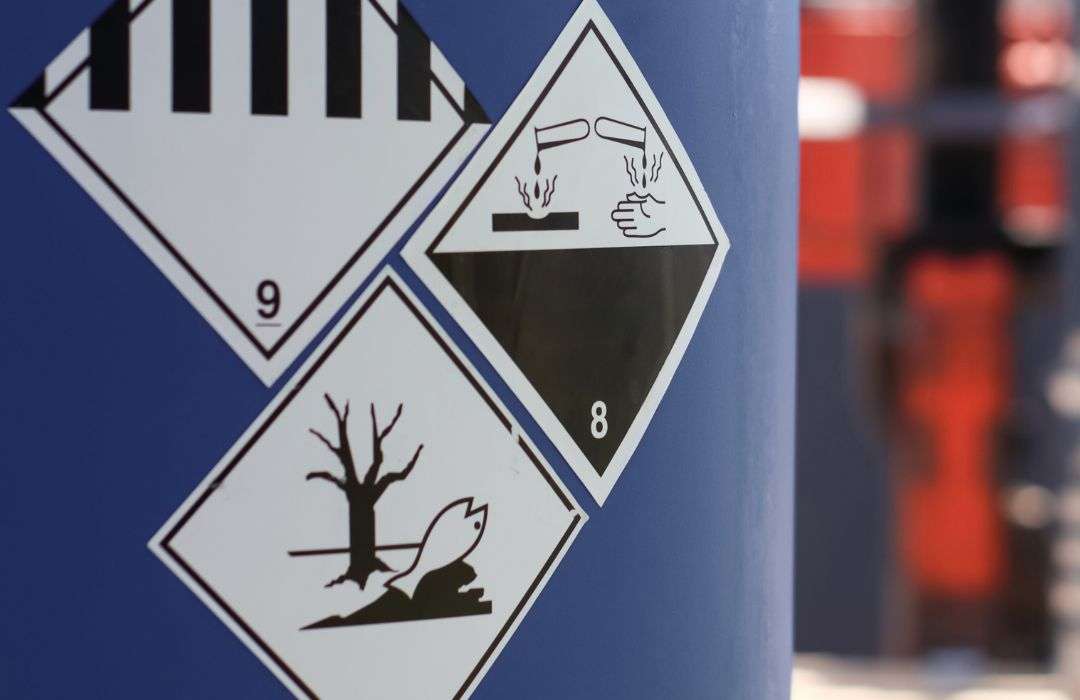
Hazard Symbols and Chemical Labelling
Hazard symbols provide a universal language for safety, helping people quickly recognise and respond to chemical risks.
-

The Risks of Carcinogenic Chemicals at Work
Exposure to carcinogenic chemicals at work is one of the leading causes of occupational cancer, yet most cases can be prevented.
-

Safety Data Sheet (SDS) Explained
Every company that handles chemicals must maintain accurate and accessible safety data sheets (SDS) to meet legal requirements.
-

Why Every Company Needs a Chemical Inventory
A well-maintained chemical inventory is essential for safety, compliance, and efficient chemical management in the workplace.
-

Choosing a Chemical Management System
A guide to choosing the right chemical management system — plus a free checklist to support your evaluation.
-

What Does OSHA Stand For?
What does OSHA stand for? Learn how OSHA regulates chemical safety, hazard communication and workplace health across the US.