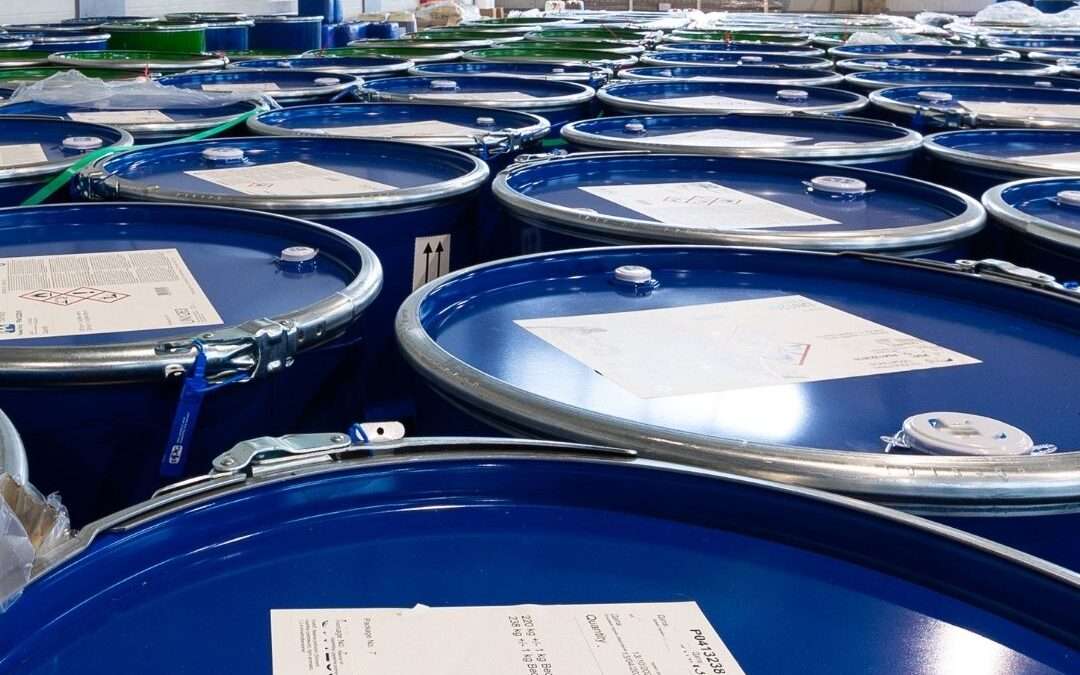
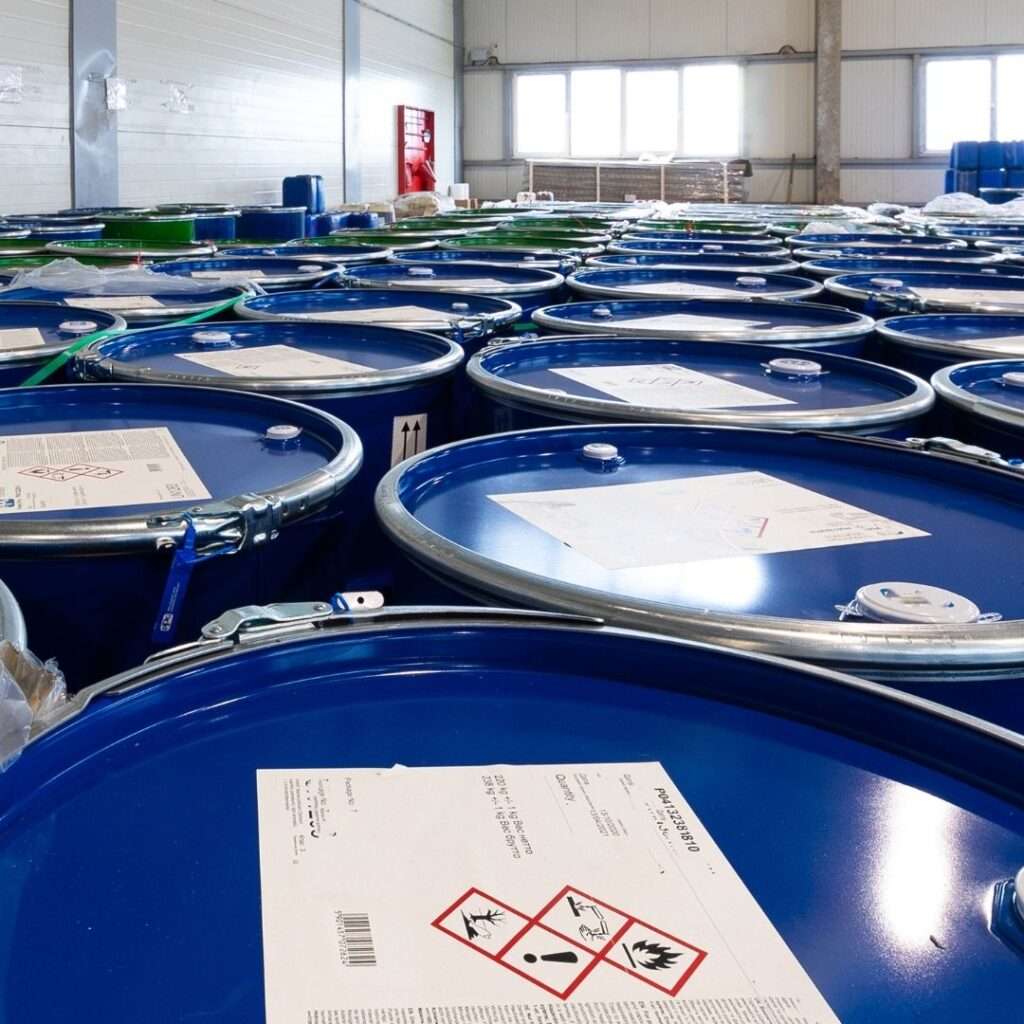
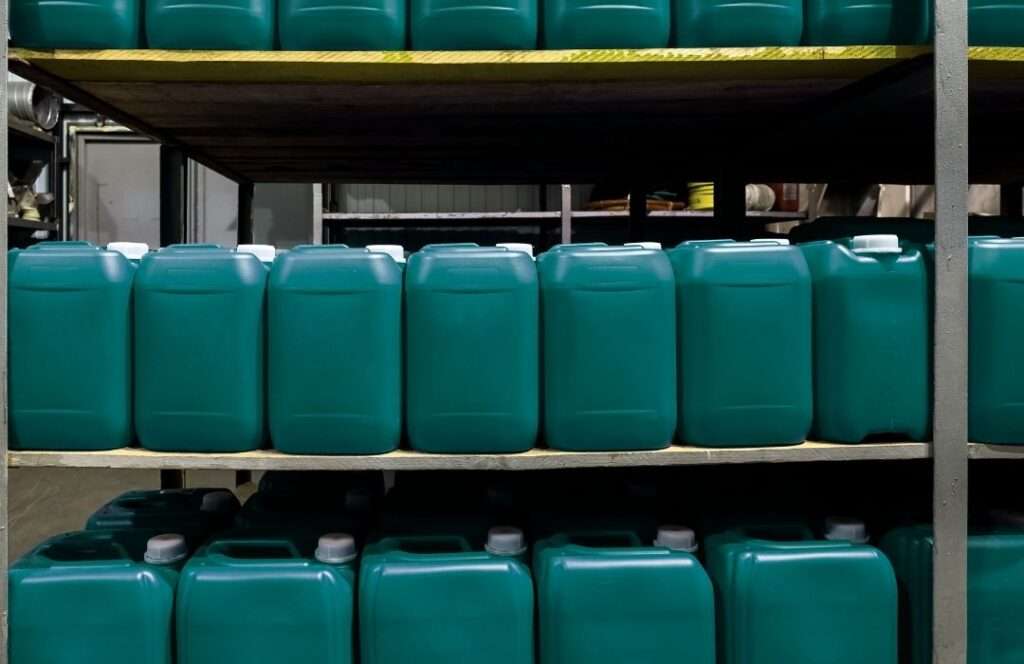
GHS labels provide a standardised approach to chemical labelling that is recognised across borders and industries. By presenting hazard information consistently and clearly, these labels ensure that everyone handling chemicals understands the associated risks and the measures needed to work safely, regardless of location or language.
What is GHS?
GHS is short for the “Globally Harmonized System of Classification and Labelling of Chemicals” and represents an internationally agreed framework developed by the United Nations to ensure that information about chemical hazards remains consistent and understandable worldwide.
The purpose of GHS is to harmonise how chemicals are classified based on their physical, health and environmental hazards, and how those hazards are communicated through labels and safety data sheets (SDS). Previously, different countries used different systems, symbols and terminology, which created confusion and increased the risk of accidents, particularly for companies operating across borders.
Why GHS Labels Are Important
GHS itself is not a law. Instead, it provides a common foundation that countries and regions use to develop their own chemical regulations.
GHS labels provide clearly structured and standardised information about chemical hazards, thereby supporting safe handling, storage and use. For example, in oil and gas operations, where chemicals may be flammable, corrosive, toxic or harmful, incorrect or inconsistent labelling can have serious consequences.
Furthermore, by standardising how hazards are communicated through text and symbols, GHS labels help reduce risk, improve safety awareness, and support regulatory compliance across international operations.
Key Elements of a GHS Label
A GHS label consists of key elements designed to communicate hazard information clearly and effectively:
Product identifier: The chemical name or identifier that matches the substance with its SDS.
Supplier information: Details of the manufacturer, importer or distributor, including contact information.
Signal words: “No signal word”, “Danger” or “Warning”, indicating the relative severity of the hazard.
Hazard statements: Standardised phrases describing the nature and degree of the hazard.
Precautionary statements: Guidance on measures to minimise or prevent adverse effects, including safe handling, storage, disposal and emergency response.
Hazard pictograms: GHS uses a set of standard hazard symbols, also known as pictograms, to visually communicate chemical hazards. These symbols are easy to recognise and quick to understand, even in multilingual workplaces.
Together, these elements ensure that chemical hazards are communicated in a clear, consistent and internationally recognised way.
GHS Implemented Worldwide
GHS is a global system, but countries and regions implement it through national and regional regulations. Although the underlying principles are aligned, specific legal requirements may vary. Therefore, global organisations must carefully manage chemical classifications, hazard statements, and hazard symbols to remain compliant across jurisdictions.
Examples of GHS implementation include:
Europe: GHS is implemented through the Classification, Labelling and Packaging Regulation, commonly referred to as CLP. CLP defines how substances and mixtures must be classified, labelled, and packaged within the European Economic Area. The United Kingdom continues to apply a similar CLP-based framework after Brexit, with some local adaptations.
United States and Canada: In the United States, GHS is incorporated into OSHA’s Hazard Communication Standard. Canada applies GHS through the Workplace Hazardous Materials Information System, known as WHMIS.
Middle East and Asia-Pacific: Many countries in the Middle East and Asia-Pacific, including Saudi Arabia, the United Arab Emirates and India, have adopted or are continuing to develop GHS-based regulations.
GHS labels play a key role in improving chemical safety and supporting regulatory compliance across global operations. By standardising how hazards are classified and communicated, GHS helps organisations reduce risk and improve safety awareness. With varying regional requirements, managing GHS compliance can be complex.
What AI Means for Chemical Substitution Management
Chemical substitution is becoming a central priority for companies that handle hazardous substances. Traditionally, finding safer alternatives has required significant manual effort. AI is changing this entirely. In this article, we explain in what way.
Challenges in Traditional Chemical Substitution
Finding safer alternatives (substitution) is essential for reducing health risks, improving environmental performance and meeting global regulatory expectations. Substitution is increasingly expected by regulators, customers and investors across Europe, the Middle East, North America and Asia-Pacific.
Despite its importance, substitution is traditionally difficult.
Many organisations must manually compare hazard classifications, performance characteristics, regulatory requirements and supply chain constraints. As a result, substitution processes are often slow, fragmented and prone to human error. This can delay safer chemical adoption and make it harder for companies to meet growing ESG expectations.
How AI Can Affect Chemical Substitution
AI introduces a more intelligent, data-driven approach to chemical substitution. Instead of relying on manual comparisons, scattered data and expert judgement alone, AI can analyse large volumes of chemical information in seconds and highlight safer, compliant and operationally suitable alternatives. It brings structure, consistency and predictive capability to a process that has traditionally been slow and uncertain.
Faster Identification of Safer Alternatives
Instead of searching manually, AI can instantly analyse extensive chemical datasets and SDS records and suggest alternatives that offer reduced hazards, similar performance and better regulatory outcomes. This speeds up decision-making by helping organisations respond quickly to regulatory changes.
Automated Hazard and Risk Assessment
AI can help interpret complex data, classify hazards and estimate risk scores automatically. This removes inconsistency caused by manual interpretation and ensures every substance is evaluated within a standard, reliable framework. AI can also help flag chemicals with missing or outdated data, ensuring assessments remain accurate.
Compliance Assurance Across Global Regulations
With operations often spanning multiple countries, compliance demands may vary. AI continuously tracks regulatory updates across regions and automatically checks whether a substance or its alternative is compliant. This protects organisations from unintentional non-compliance and helps maintain a proactive approach to international chemical safety expectations.
Enhanced Sustainability and ESG Performance
AI can help organisations assess environmental impacts by comparing biodegradability, ecotoxicity, emissions and lifecycle considerations. As a result, it can help with ESG reporting and strengthen the organisation’s environmental profile across global markets.
Important: Although AI provides valuable insights, it is not fully reliable on its own. All AI-generated recommendations should be reviewed and validated by qualified experts to ensure accuracy, safety and regulatory compliance.
AI is transforming chemical substitution by simplifying complex processes, speeding up evaluations and enabling safer, more sustainable decisions. For organisations looking to reduce risk and meet global regulatory and ESG expectations, AI-powered chemical systems may be the way to go forward. By integrating AI into their systems, companies can modernise operations, improve safety and be prepared for future regulatory requirements.
In the oil and gas industry, chemical risk assessment is essential for safe and reliable operations. Drilling, production, processing and maintenance all involve chemicals that can pose significant health, environmental and operational risks if not properly controlled. Establishing a clear and consistent approach to assessing these risks helps companies prevent incidents, protect workers and maintain compliance across diverse global sites and regulatory frameworks.
What Is a Risk Assessment?
A risk assessment is a systematic process used to identify potential hazards, evaluate the likelihood and severity of harm and determine the measures needed to control those risks. In the context of chemical safety and broader risk management, this involves understanding the hazardous properties of a substance, analysing how it is used and assessing the potential for worker exposure or accidental release.
Many organisations also use a risk assessment matrix to visualise the relationship between likelihood and consequence. This helps classify risks into categories such as low, medium or high and supports consistent decision-making across departments, sites and regions.
A risk assessment answers three key questions:
What could go wrong?
How likely is it to happen?
What are the consequences?
Why Chemical Risk Assessment Matters
In high-risk environments, for example during surface treatment, well intervention or maintenance activities, inadequate control may lead to acute health effects, chronic exposure problems or severe incidents including fires and explosions.
A comprehensive risk assessment enables organisations to understand these hazards and put effective controls in place. For companies operating internationally, it also helps ensure alignment with regulatory frameworks such as:
Equivalent rules across the Middle East and Asia-Pacific
Most jurisdictions require employers to document chemical risk assessments in writing. While specific rules differ between countries, the principle is the same. Employers must identify hazardous substances, assess potential exposure and record how risks are controlled. Clear and consistent documentation supports internal communication, provides evidence of compliance during audits and forms the foundation for safe operating procedures.
Chemical Risk Assessment Step by Step
1. Maintain an accurate chemical inventory
An up-to-date chemical inventory with the latest safety data sheets (SDS) is the starting point. Ensure that the SDS complies with globally recognised formats such as GHS and contains reliable information about hazards and safe handling.
2. Identify the inherent hazards
Review SDS data to understand the chemical’s classification, health risks, environmental impacts and physical hazards such as flammability or reactivity.
3. Assess exposure
Evaluate how the substance is used, the quantities handled, possible exposure routes, the work environment, ventilation, existing control measures and the frequency and duration of tasks.
4. Determine the level of risk
Combine the hazard and exposure findings to estimate the overall risk and prioritise necessary actions.
5. Implement and improve control measures
Based on the risk outcome, establish suitable measures. These may include engineering controls, process changes, improved ventilation, automation, safer alternatives, or appropriate personal protective equipment. Ensure these measures are reflected in work instructions, toolbox talks, checklists and training routines.
6. Document, monitor and review
Record the entire process and revisit the assessment when new chemicals are introduced, processes change or equipment is modified. Regular reviews help ensure continuous compliance and improvement.
Digital Tools for Risk Assessments
Digital chemical management tools can make it significantly easier to organise chemical inventories, access SDS documents, streamline risk assessments and maintain proper documentation. For organisations operating across multiple regions, digital systems help standardise processes and ensure compliance with varied regulatory requirements. Integrated features such as automated updates, version control and embedded risk management workflows further strengthen the consistency and quality of assessments.
A robust chemical risk assessment helps companies manage hazardous substances safely, maintain compliance and reduce the likelihood of costly incidents. With structured controls, regular reviews and the support of digital tools, organisations can strengthen their risk management practices and ensure safer, more reliable operations.
Working with hazardous substances in high-risk work operations can pose significant health threats, and employers should be aware of the potential consequences of chemical exposure. An exposure register is a critical tool for companies wanting to protect their employees, support compliance with legislation and industry standards, and ensure full traceability of chemical and environmental exposure.
What Is a Chemical Exposure Register?
An exposure register is a structured record that documents an employee’s potential or confirmed exposure to hazardous substances or harmful processes in the workplace. This includes day-to-day operational exposure as well as accidental events such as leaks, spills, equipment failures, overexposure incidents or unexpected contact with dangerous materials.
Why Exposure Tracking Matters
Chronic illnesses linked to occupational exposure may not appear until many years after the event, making proper documentation essential. An exposure register serves several key purposes:
Supports long-term health monitoring and medical follow-up
Provides evidence in the event of occupational illness or compensation claims
Helps employers conduct accurate risk assessments and refine safety measures
Improves transparency and accountability within high-risk working environments
Ensures compliance with global health and safety legislation
While specific legal requirements vary by region, most regulatory frameworks such as EU REACH, UK COSHH, OSHA in the United States and various international occupational health standards require employers to track exposures to high-risk substances and keep detailed historical records.
What an Exposure Register Should Contain
While the exact requirements vary by country, an effective exposure register generally contains:
The employee’s identity and job role
The substance or process involved
Date, location and duration of the exposure
Whether the exposure was routine, accidental or incidental
Concentration levels or estimated exposure where available
Actions taken such as medical evaluation or corrective measures
Relevant safety documentation such as safety data sheet (SDS) references, monitoring results or incident reports
Organisations should only collect exposure data that is relevant, accurate and necessary, in alignment with privacy laws.
Documentation and Storage Requirements
Exposure records should be stored safely and, in some cases, for an extended period depending on the jurisdiction and nature of the hazard. Some countries even require records to be retained for the lifetime of the employee if the substance is known to cause long-latency health effects.
Long-term storage requirements should include secure retention and data protection compliance. The exposure register should only be available to authorised personnel such as health professionals, regulatory authorities, and safety representatives. Additionally, employees should be able to access their own records if needed.
Common Challenges with Exposure Registers
Some common challenges include:
Limited reporting and awareness: Many incidents are not reported because employees underestimate the seriousness of the exposure or because reporting procedures are unclear. Insufficient training or limited awareness of long-term health risks often contributes to this.
Long-term data management: Maintaining records for decades requires robust digital infrastructure and data governance. Many organisations struggle with system changes, data migration and compliance with modern privacy regulations.
By documenting exposure events accurately, storing records securely and addressing common reporting challenges, organisations can strengthen their chemical safety practices. With the support of modern digital chemical management systems such as ChemCenter, companies can simplify the registration process, improve compliance and ensure safer, more resilient operations.
Diisocyanates are essential in everyday work operations across offshore and onshore industries, but they demand strict safety and compliance control. With tighter regulations such as REACH, knowing where these chemicals are used and by whom is crucial. Chemical management systems give supervisors the oversight needed for safer, compliant operations.
What Are Diisocyanates?
Isocyanates is a collective term for a group of chemical substances used as components in polyurethane products. Diisocyanates are a specific type of isocyanate that contain two reactive isocyanate groups.
In both offshore and onshore environments, a variety of products contain diisocyanates, many of which are used daily.
Examples of products containing diisocyanates:
Adhesives
Elastomeric materials
Flooring and surface coatings
Insulation foams
Protective coatings and paints
Sealants
Why Diisocyanates Require Careful Handling
Diisocyanates are highly reactive substances that can pose significant health risks, even at low concentration, if not handled properly.
Short-term (acute) exposure may cause:
Irritation of the eyes, nose throat and skin
Coughing, wheezing, or tightness in the chest
Headache, nausea, and general discomfort after inhalation of vapours or aerosols
Long-term (chronic) exposure may cause:
Respiratory sensitisation
Skin sensitisation
Chronic respiratory issues
Permanent asthma
Handling products containing diisocyanates therefore requires strict control measures. Work should always take place in well-ventilated areas or under local exhaust ventilation. Suitable personal protective equipment (PPE) must be worn whenever there is a risk of contact or inhalation. To reduce risk further, workers should receive instruction in safe work practices and emergency procedures, and all chemical containers should be clearly labelled with hazard information.
Examples of exposure scenarios:
Spray application of polyurethane coatings, paints or foams
Mixing or transferring polyurethane components during maintenance or repair work
Cutting, sanding, or grinding cured polyurethane materials
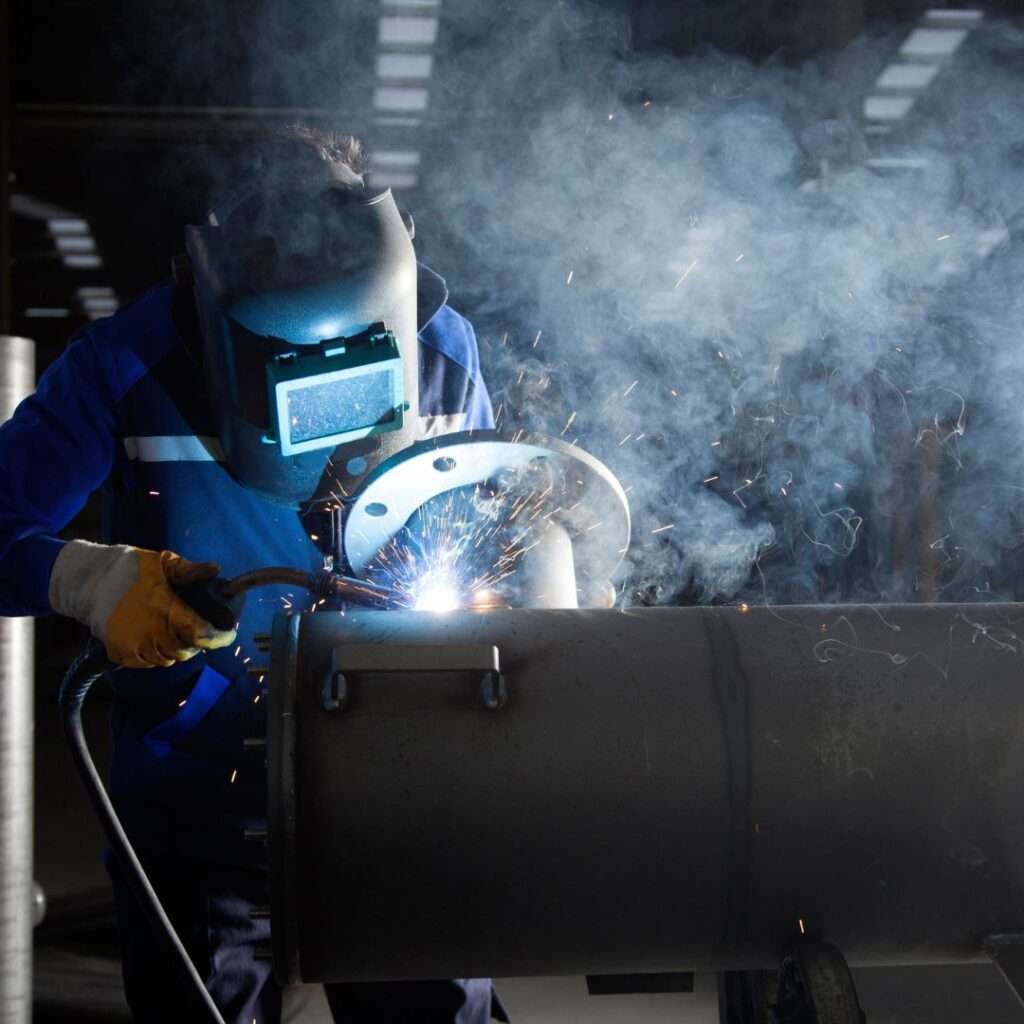
Welding, hot cutting, or heating surfaces coated with polyurethane, where residual isocyanates may be released
Cleaning of application equipment or containers contaminated with uncured materials
A thorough risk assessment should identify all potential exposures and define suitable preventative measures before starting any work activity.
Regulatory Compliance
The use of diisocyanates is strictly regulated due to their potential health risks. Several international frameworks set requirements for safe handling, labelling, and worker protection.
REACH (EU)
Under the EU REACH Regulation, restrictions on diisocyanates entered into force in August 2023. Anyone handling products containing more than 0.1% diisocyanates must complete specific training in safe use. Employers are responsible for documenting compliance, ensuring proper labelling, and maintaining access to up-to-date safety data sheets (SDS).
Other Global Standards
Similar principles apply under other regulations worldwide, including:
GHS (Globally Harmonised System): Defines hazard classification and labelling standards
CLP Regulation (EU/EEA): Aligns classification, labelling, and packaging requirements with GHS principles
OSHA Standards (USA): Require exposure control, ventilation, PPE, and worker training
Digital Tools for Chemical Management
To determine whether a product contains diisocyanates, always refer to the product’s SDS in the company’s chemical inventory. The SDS provides detailed information about the product’s composition, hazards, and the measures required for safe handling.
Many companies now use digital tools to maintain oversight and control of their chemical activities. This can provide several key benefits:
Real-time inventory tracking: Know exactly which chemicals are in use, where they are stored, and in what quantities across multiple sites
Automated SDS management: Ensure safety data sheets are always updated and accessible to all personnel, both online and offline
Compatibility checks: Identify and prevent unsafe storage combinations before incidents occur
Multilingual labelling and documentation: Improve clarity and compliance, especially in international operations
Simplified reporting and audits: Generate accurate compliance reports quickly for internal reviews or regulatory inspections
Enhanced visibility between offshore and onshore operations: Share live data across locations
Reduced administrative workload: Minimise manual updates and paperwork, allowing staff to focus on critical safety and operational tasks
Diisocyanates are vital to many offshore and onshore operations, but their safe use depends on strict control, clear documentation, and regulatory compliance. As requirements under REACH and other global frameworks tighten, digital chemical management systems provide an efficient way to maintain oversight, reduce risk, and simplify compliance.