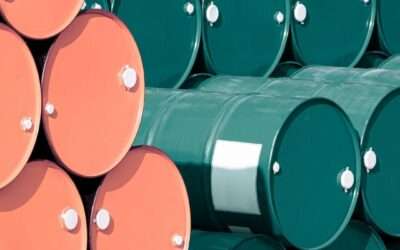
Chemical Hazards in the Oil and Gas Sector
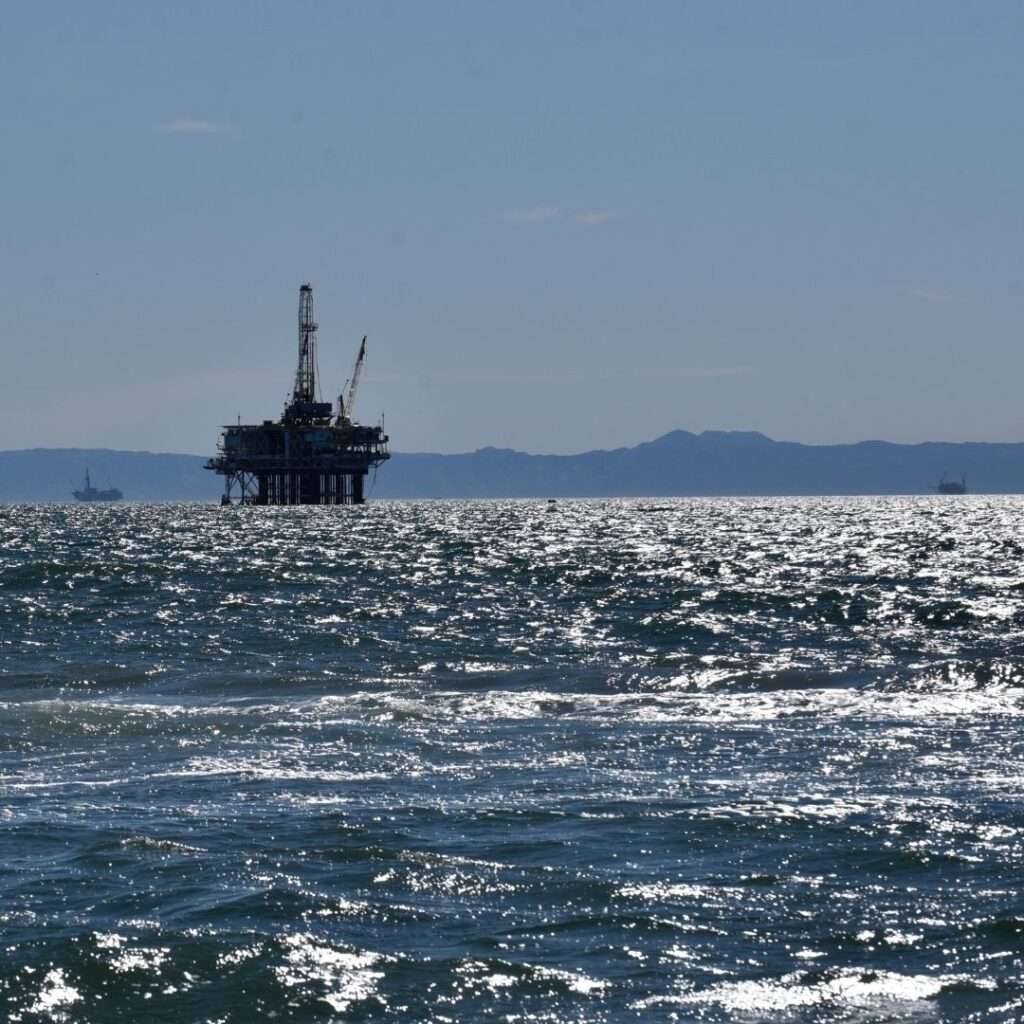
Chemicals play a vital role in the oil and gas sector, but behind everyday use lie significant risks. When chemicals are poorly managed, they can threaten health, damage equipment, and harm the environment.
Chemicals in Offshore and Land-Based Operations
Chemicals are used daily across offshore installations and land-based facilities. They are essential for drilling, production, maintenance, and cleaning activities, supporting everything from corrosion protection and scale prevention to water treatment and lubrication.
Used correctly, these substances enable reliable and efficient operations for both operators and drilling contractors. However, their widespread use also means that even minor lapses in handling, labelling, or documentation can create significant safety and environmental consequences.
Common Chemicals and Their Use:
- Acids: Used for cleaning and well stimulation.
- Biocides: Prevent bacterial growth in water systems.
- Corrosion inhibitors: Protect pipelines and equipment from rust.
- Degreasers: Clean machinery and remove oil residues.
- Demulsifiers: Separate oil, water, and solids in production.
- Drilling additives: Control pressure and lubricate during drilling.
- Glycols: Prevent freezing and hydrate formation.
- Hydraulic fluids: Power valves, pumps, and tools.
- Scale inhibitors: Prevent mineral build-up in wells and pipelines.
Typical Chemical Hazards and Risks
Chemical hazards affect people, the environment, and operational performance across the oil and gas sector.
Health Hazards
- Toxic exposure: Inhalation of vapours, mists, or dusts may cause respiratory irritation, dizziness, or long-term health effects.
- Skin and eye contact: Many chemicals are corrosive or irritating, posing risks of burns, dermatitis, or eye injury.
- Flammability and explosion risk: Solvents, fuels, and gases can ignite under specific conditions, especially in enclosed or poorly ventilated areas.
- Reactivity: Incompatible chemicals may react violently, generate heat, or release toxic gases.
- Chronic health effects: Long-term exposure can contribute to neurological, reproductive, or carcinogenic outcomes.
- Sensitising risk: Certain substances, including diisocyanates, are strong respiratory and skin sensitisers. Repeated or prolonged exposure may cause allergic skin reactions, occupational asthma, or long-term breathing difficulties, with symptoms potentially occurring even at very low exposure levels once sensitisation has developed.
Environmental Hazards
- Marine pollution: Offshore spills can spread rapidly, affecting marine life and coastal ecosystems.
- Soil and groundwater contamination: Land-based spills or improper disposal can cause long-term environmental impact.
- Air emissions: VOCs and other fumes released during handling or disposal contribute to air pollution and create hazardous vapours.
Operational Hazards
- Corrosion and material degradation: Poor control of corrosive substances can weaken pipelines, tanks, and valves.
- Equipment malfunction: Contamination or incompatible products may damage pumps, sensors, or control systems.
- Storage and containment failures: Poor segregation, temperature control, or maintenance increases the risk of instability or leaks.
- Process disruption: Mismanaged inventories can cause delays, shutdowns, or reduced efficiency.
- Emergency response limitations: Incorrectly labelled or untraceable chemicals complicate firefighting and incident response.

Staying Clear of Chemical Hazards and Risks
Managing chemical risks is all about preventing incidents before they occur.
Stay Compliant
In the oil and gas sector, chemical management must meet strict industry-specific regulations alongside general health and safety requirements. Clear documentation, robust controls, and regular audits help ensure safe operations and ongoing compliance.
Clear Procedures and Training
Conduct regular risk assessments and ensure clear handling and storage guidelines are in place. Continuous training and a strong safety culture help staff recognise hazards early and respond effectively.
Accurate Labelling and Documentation
Keep safety data sheet (SDS) and risk report updated and accessible, and use standardised, multilingual labelling across all sites. Full traceability, from delivery to disposal, reduces the risk of errors and non-compliance.
Adequate Personal Protective Equipment (PPE)
Select and use PPE suited to each chemical and task. Proper gloves, eye protection, and respiratory equipment reduce exposure risks and support safe handling.
Safe Storage and Maintenance
Separate incompatible chemicals, maintain containment systems, and carry out regular inspections to detect leaks or corrosion before they escalate.
Digital Oversight
Digital tools make it easier to track inventories, check compatibility, and share data between locations. Real-time visibility helps prevent incidents and simplifies reporting. Real-time visibility helps prevent incidents and simplifies reporting, particularly in complex, multi-site oil and gas operations. Where connectivity is limited, offline functionality ensures critical chemical data remains available, with updates synchronised automatically once a connection is restored.
Chemicals will always be a vital part of the oil and gas industry, supporting everything from drilling and production to maintenance and safety. But with their benefits come undeniable risks. In such complex and high-pressure environments, effective chemical management is not optional – it is essential. By combining clear procedures, continuous training, and digital tools, companies can turn chemical safety from a compliance task into a core part of the operation.