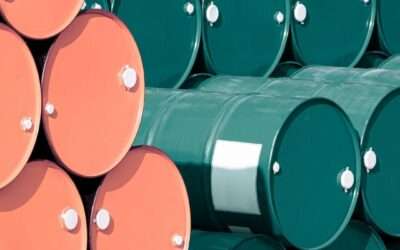
Choosing a Chemical Management System

Managing chemicals safely is a critical responsibility in any industry, but it becomes particularly demanding in complex, high-risk sectors such as oil and gas, petrochemicals, energy, manufacturing, and large-scale industrial operations. A well-designed chemical management provides structure, reduce manual work, and strengthens HSE performance.
But with so many solutions on the market, how do you identify a system that truly meets your company’s needs?
Start with the User Experience
Before anything else, consider how easily your workforce can use the system. A chemical management tool is only effective if people rely on it during daily tasks. Modern operations require accessibility at all times, whether on site, during inspections, or at remote or offshore installations. This means the system must function across devices and in conditions with limited connectivity.
Aim for Automation That Reduces Workload
Manual follow-up of chemical data is time consuming and increases the likelihood of error. Automation plays a major role in preventing outdated information and ensuring that compliance tasks are completed on time. Look for a system that actively supports the workflow rather than simply storing information.

Evaluate How Well the System Handles Global Compliance
Companies working across borders must follow numerous regulatory frameworks, from REACH and CLP in the EU to OSHA in the US. A suitable system must adapt to local requirements while supporting an overarching corporate standard.
Ensure Data Transfer from the Existing System Is Secure and Efficient
For many companies, the challenge is not adopting a new system but ensuring that valuable historical data remains intact. Safety data sheets (SDS), risk assessments, chemical lists, and exposure information must be transferred accurately to avoid starting from zero.
Confirm That Proper Training and Support Are Available
Introducing new software requires guidance and ongoing support to ensure long-term adoption. Without this, even the best system will underperform. Make sure adequate training and support are in place.
Assess Data Protection and Security Capabilities
Chemical information can reveal sensitive details about production methods, research activities, and operational strategy. Exposure records may also qualify as health data under privacy laws, and secure data handling is therefore necessary.
Look for Strong Reporting and Documentation Tools
Audits, inspections, and internal reviews require clear and reliable reporting. A flexible reporting module helps you demonstrate compliance, monitor performance, and maintain transparency with clients, regulatory authorities, and corporate management.
Understand the Pricing Model
Prices vary widely between suppliers and are often based on users, modules, data volume, or a combination of all three. For large companies with extensive field operations, cost predictability is particularly important.
Choose a System with Scalability Opportunities
A chemical management solution should support structural changes, new business units, expansion into new regions, and increased data volumes. Flexibility is crucial for multinational organisations and companies with diverse operations.
Selecting the right chemical management system is an investment in safety, compliance, and operational efficiency. Taking the time to evaluate your needs thoroughly will help you avoid costly transitions later and ensure that the chosen solution supports your long-term strategy. A smart decision today prevents challenges tomorrow.
Download a Free Evaluation Checklist
Below is a comprehensive checklist to help you assess whether a chemical management system meets your company’s needs or not.