Hazard Symbols and Chemical Labelling
Chemicals play an important role in many industries. They are found everywhere – from laboratories and factories to agriculture, cleaning, and construction. Alongside their usefulness comes a duty: ensuring that people and the environment are protected from potential harm. That is where hazard symbols and chemical labelling come in.
In this article, we have gathered everything you need to know about hazard symbols, what they mean, how they should be used, and the relevant laws and regulations.
Hazard Symbols Explained
What exactly is a hazard symbol? A hazard symbol (also known as a pictogram or chemical hazard label) is a standardised image that represents the risk a chemical product may pose to human, health, property, or the environment.
The goal is to provide clarity when working with hazardous chemicals. Anyone, regardless of background or language, should be able to recognize and understand the potential danger. For example, a picture of a skull instantly signals that the product is poisonous. This universal design makes chemical safety communication clear, fast, and effective.
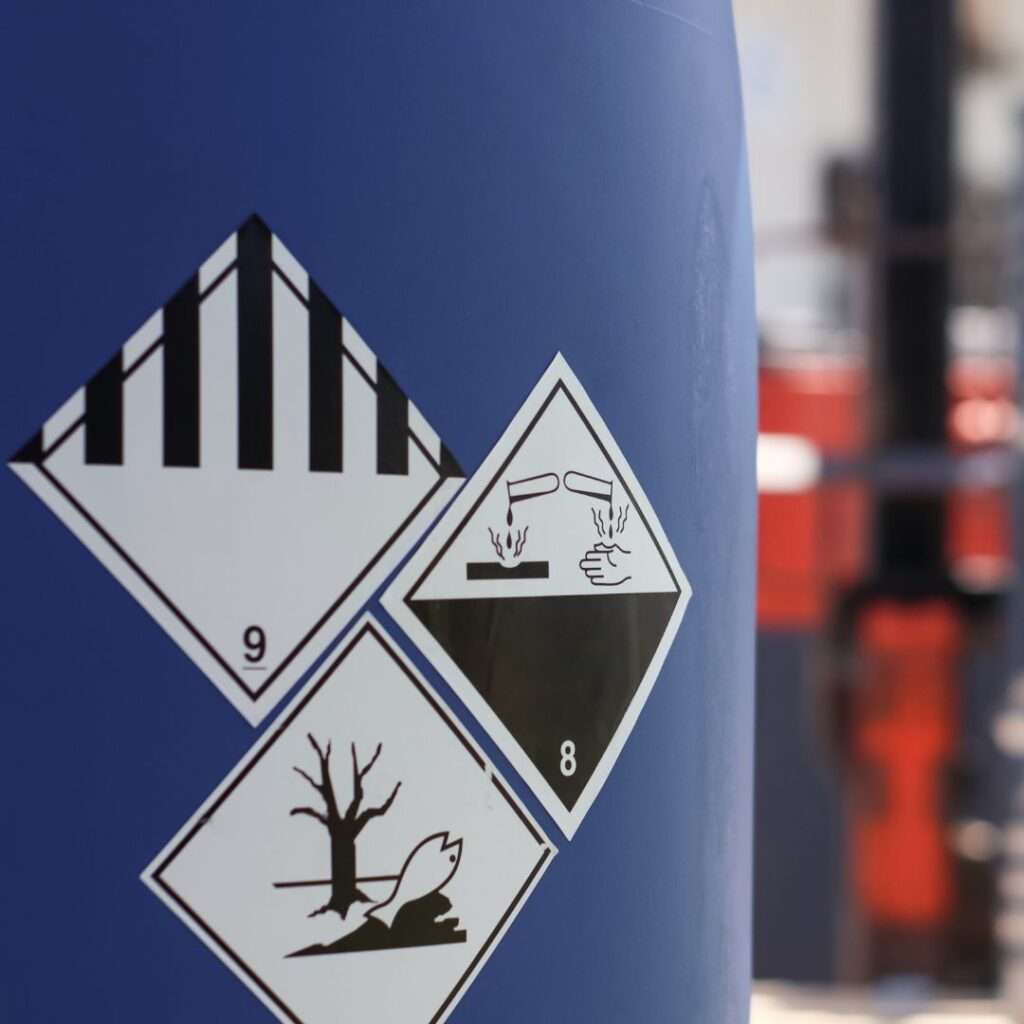
Where are hazard symbols located? Hazard symbols are always clearly displayed on any product containing hazardous chemicals, for example:
- On labels and packaging
- In the safety data sheet (SDS)
- On storage containers or cabinets where chemical are kept in bulk
Some workplaces also use larger versions of the pictograms on signage to remind employees of potential hazards in specific areas, such as storage rooms, mixing stations, or production lines.
What Do the Hazard Symbols Mean?
Hazard symbols are recognisable as red and white diamonds. Each symbol has its own meaning, and these are the most common ones:
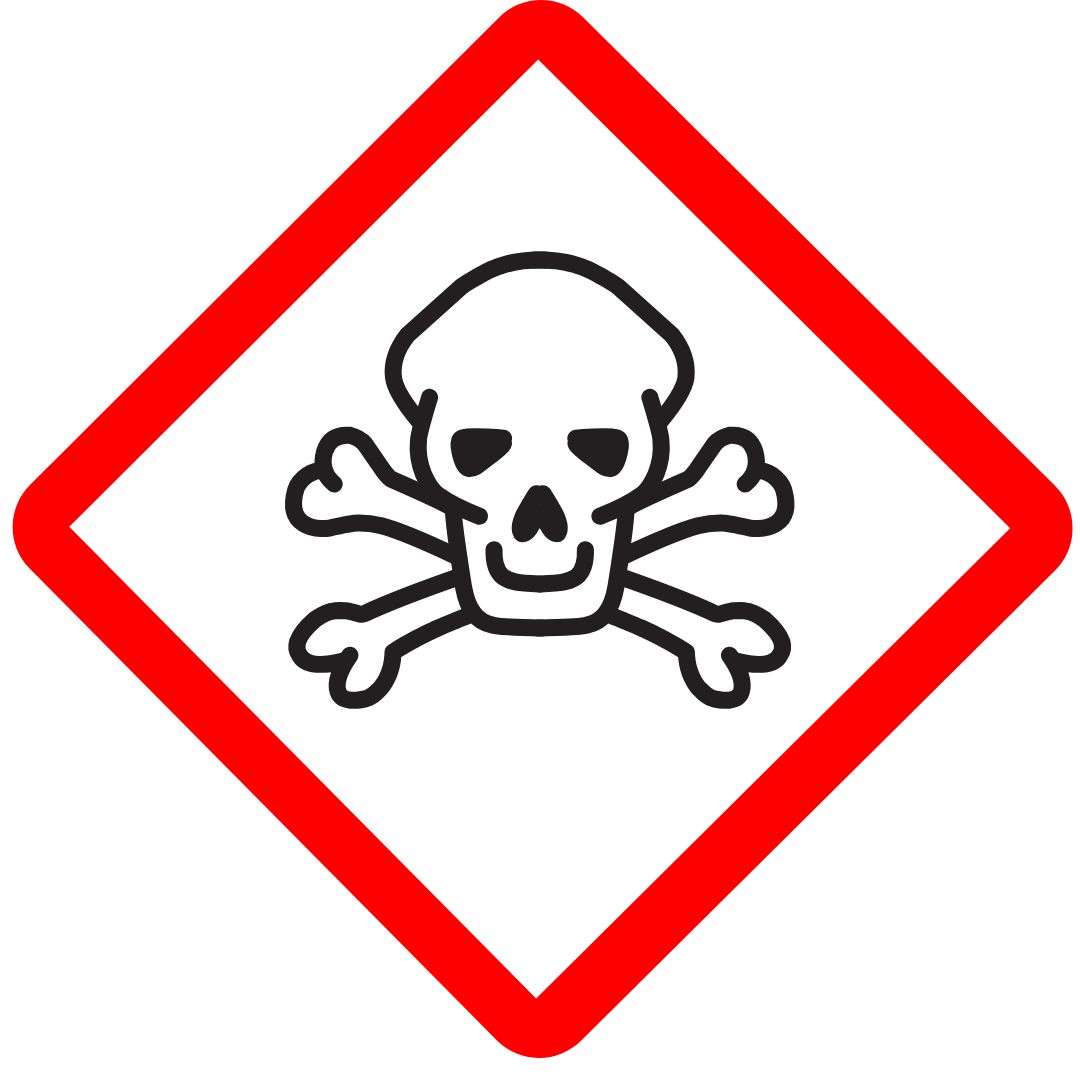
Acute toxicity:
Substances that can cause severe poisoning or be fatal if swallowed, inhaled, or absorbed through the skin.
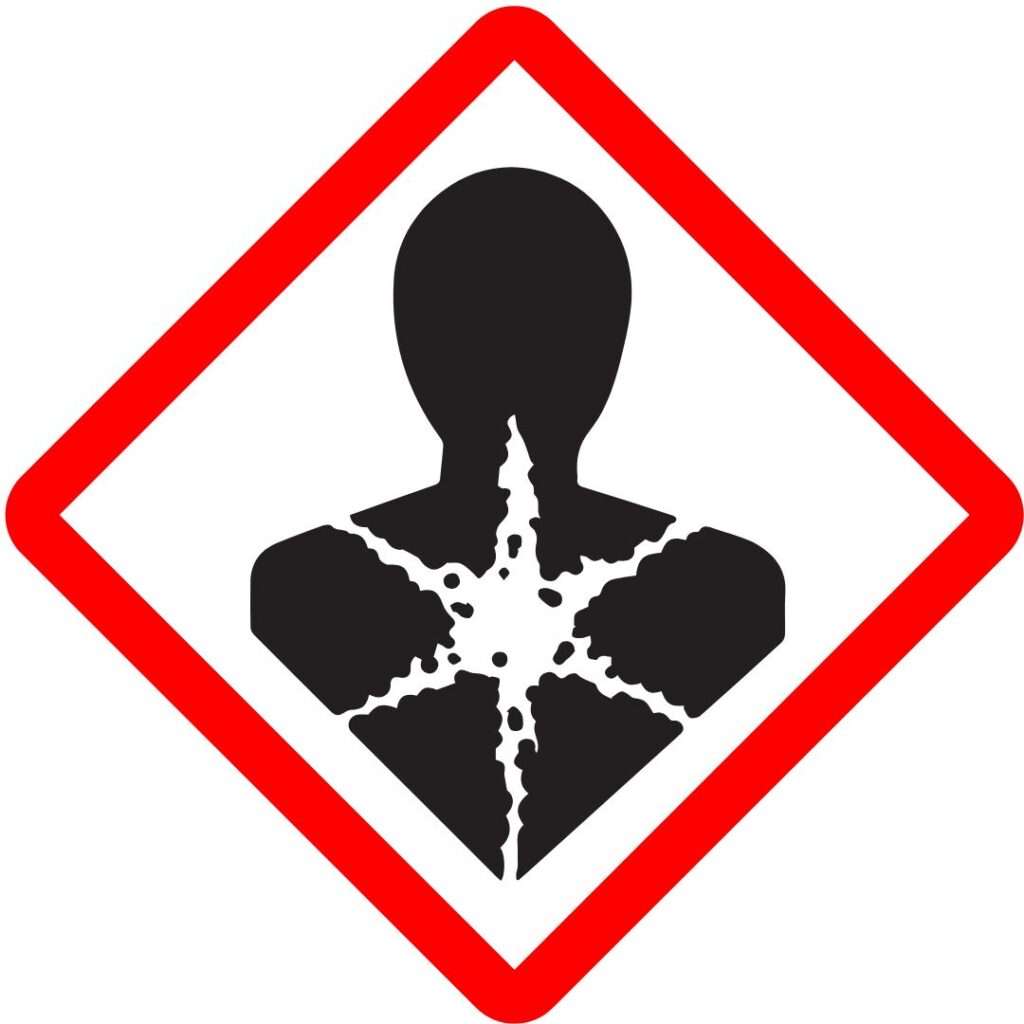
Chronic health hazard:
Used for substances that can cause long-term health problems such as cancer, genetic mutations, reproductive damage, or chronic respiratory issues.
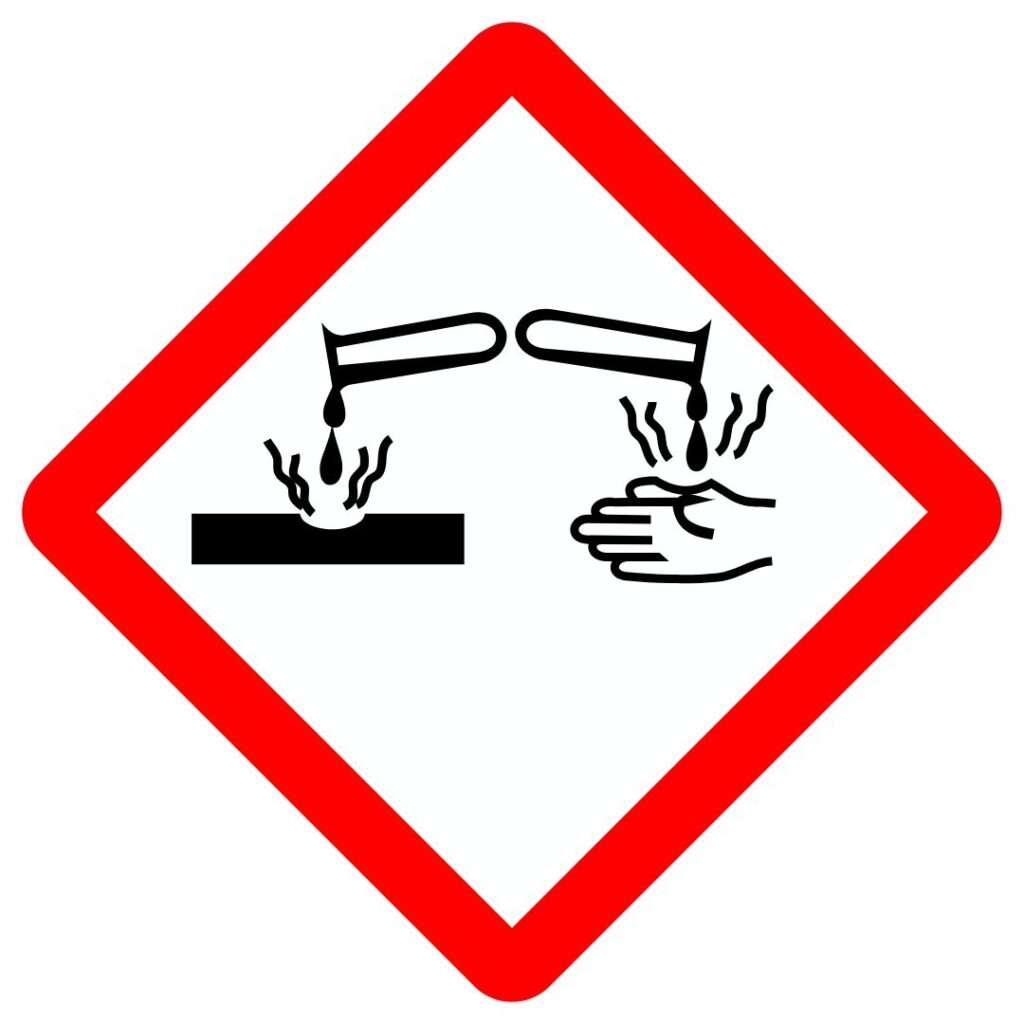
Corrosive:
Chemicals that can destroy skin, eyes, or other materials. They may also corrode metals or surfaces they come into contact with.
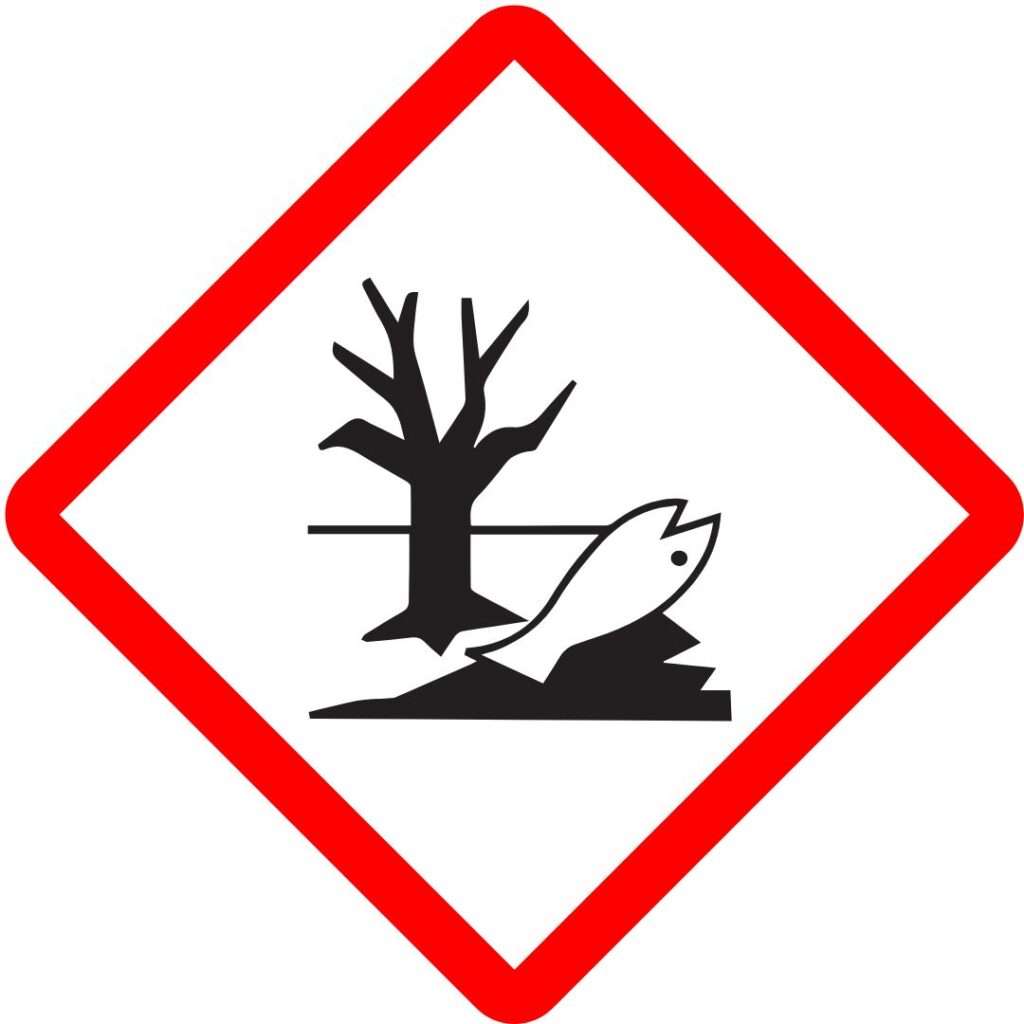
Environmental hazard:
Indicates that a substance is toxic to aquatic life or may cause long-term harm to ecosystems. These chemicals must be disposed of carefully to prevent environmental contamination.
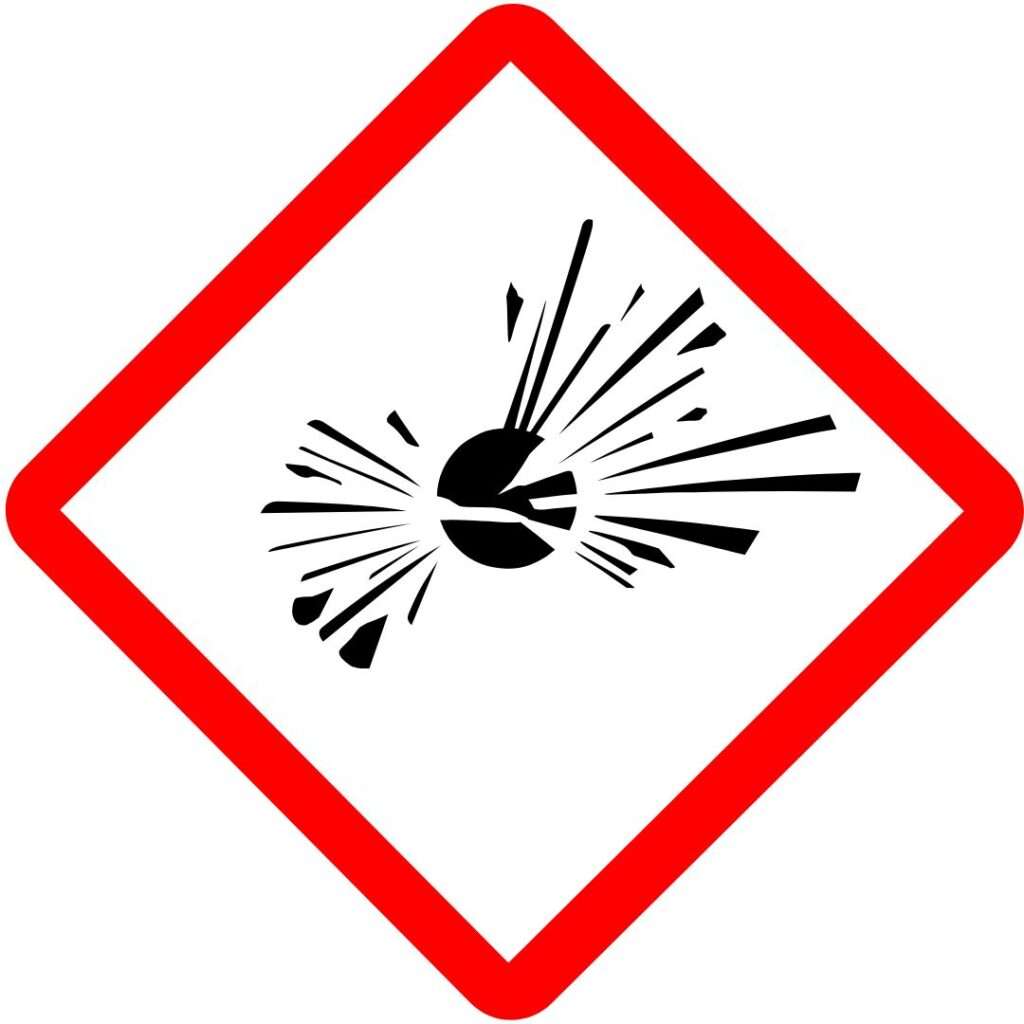
Explosive:
Substances or mixtures that may explode when exposed to impact, friction, or heat. They must be handled and stored under strict conditions.
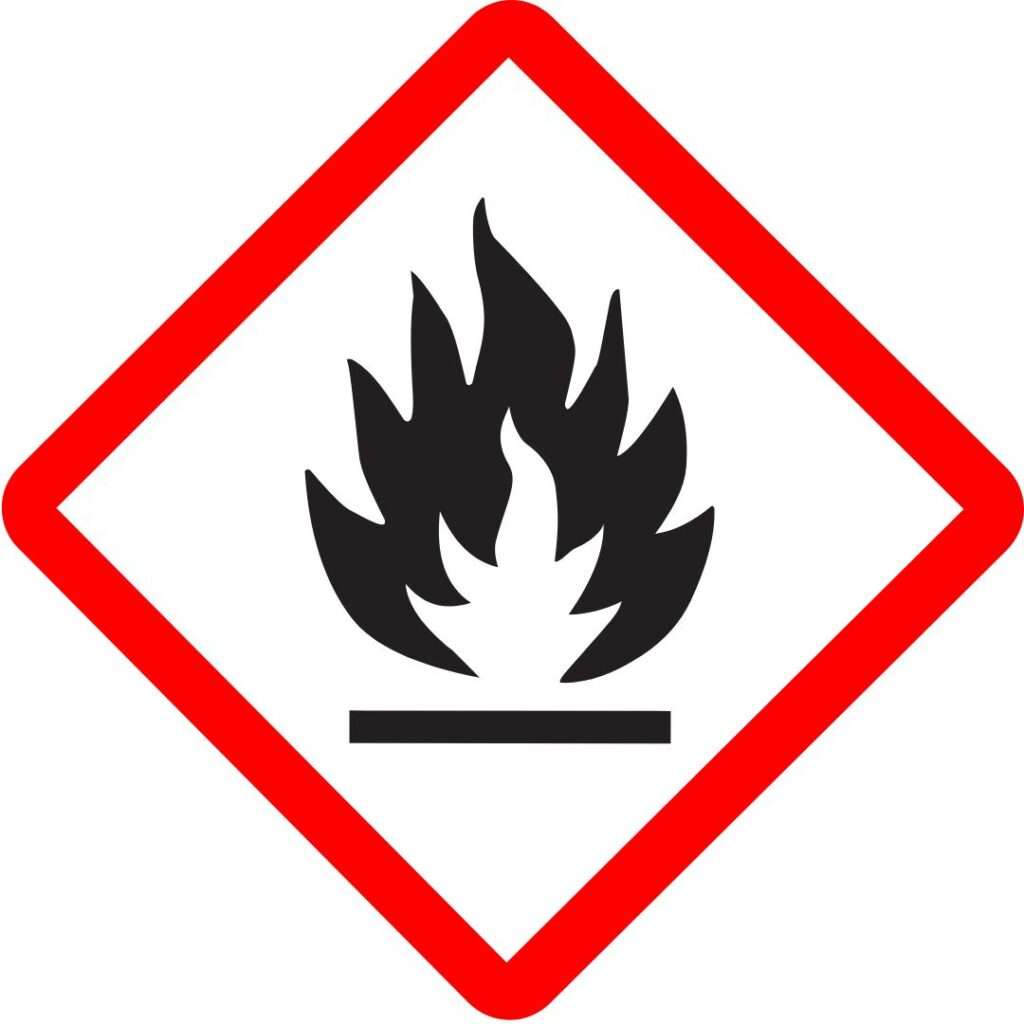
Flammable:
Used for liquids, gases, and solids that can easily catch fire. Some may ignite spontaneously in air or release flammable gas when in contact with water.
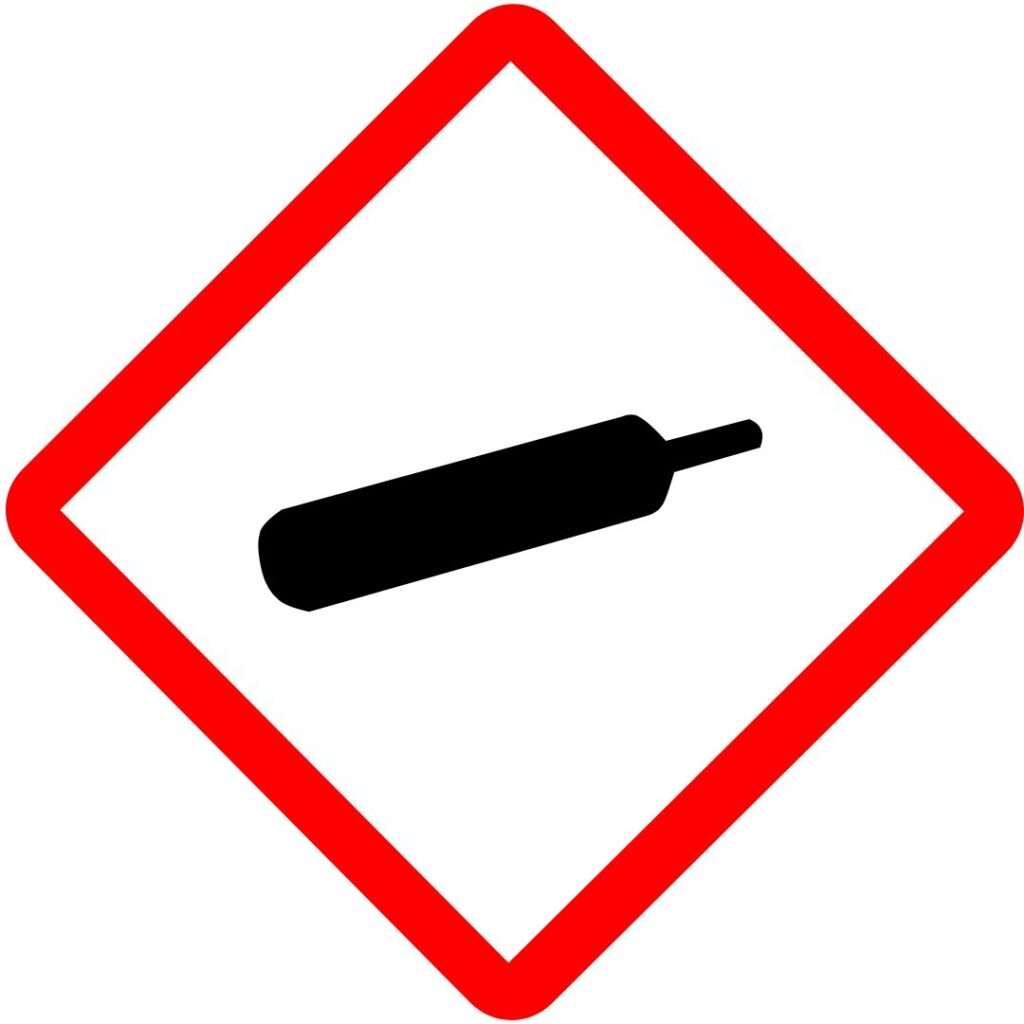
Gas under pressure:
Identifies cylinders or containers holding compressed, liquefied, or refrigerated gases. These can explode if exposed to heat or cause cold burns upon contact.
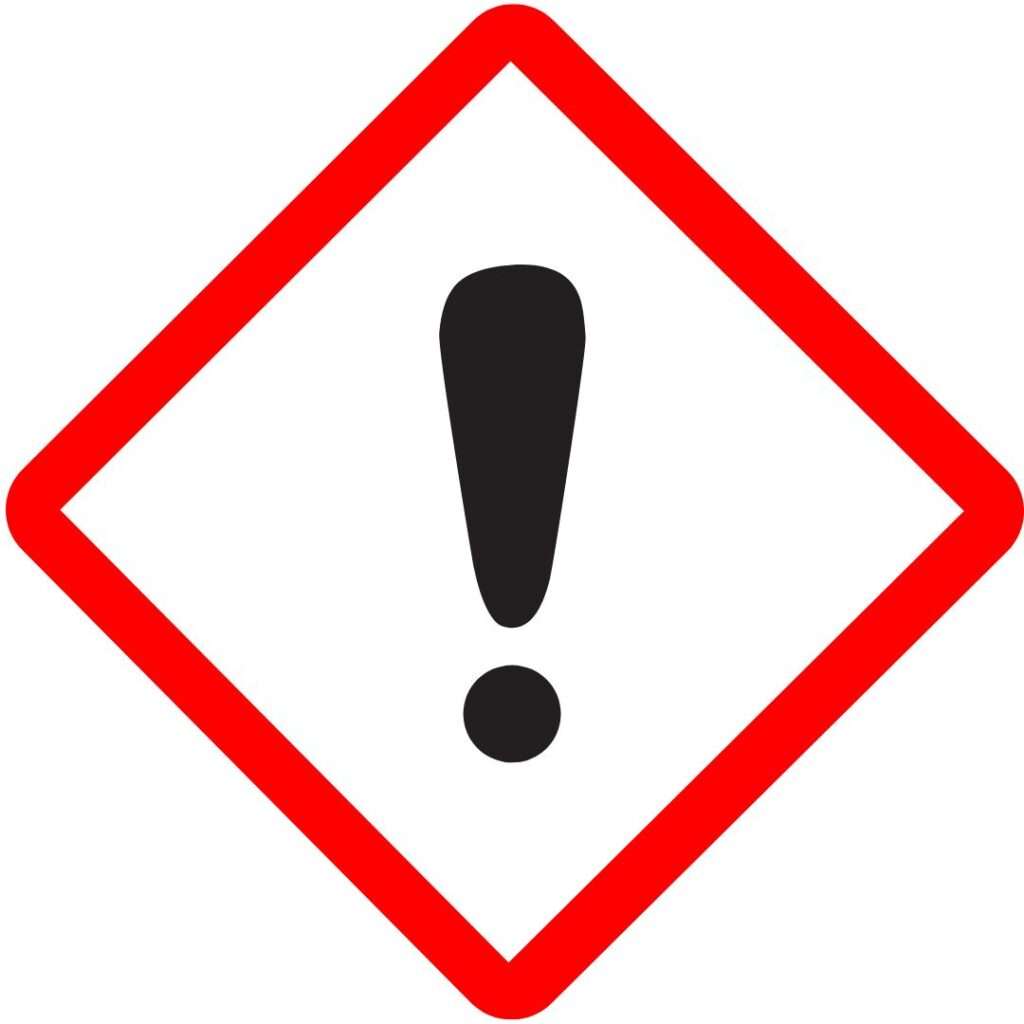
Health hazard (irritant):
Indicates products that can cause irritation to the eyes, skin, or airways, trigger allergic reactions, or cause dizziness or drowsiness.
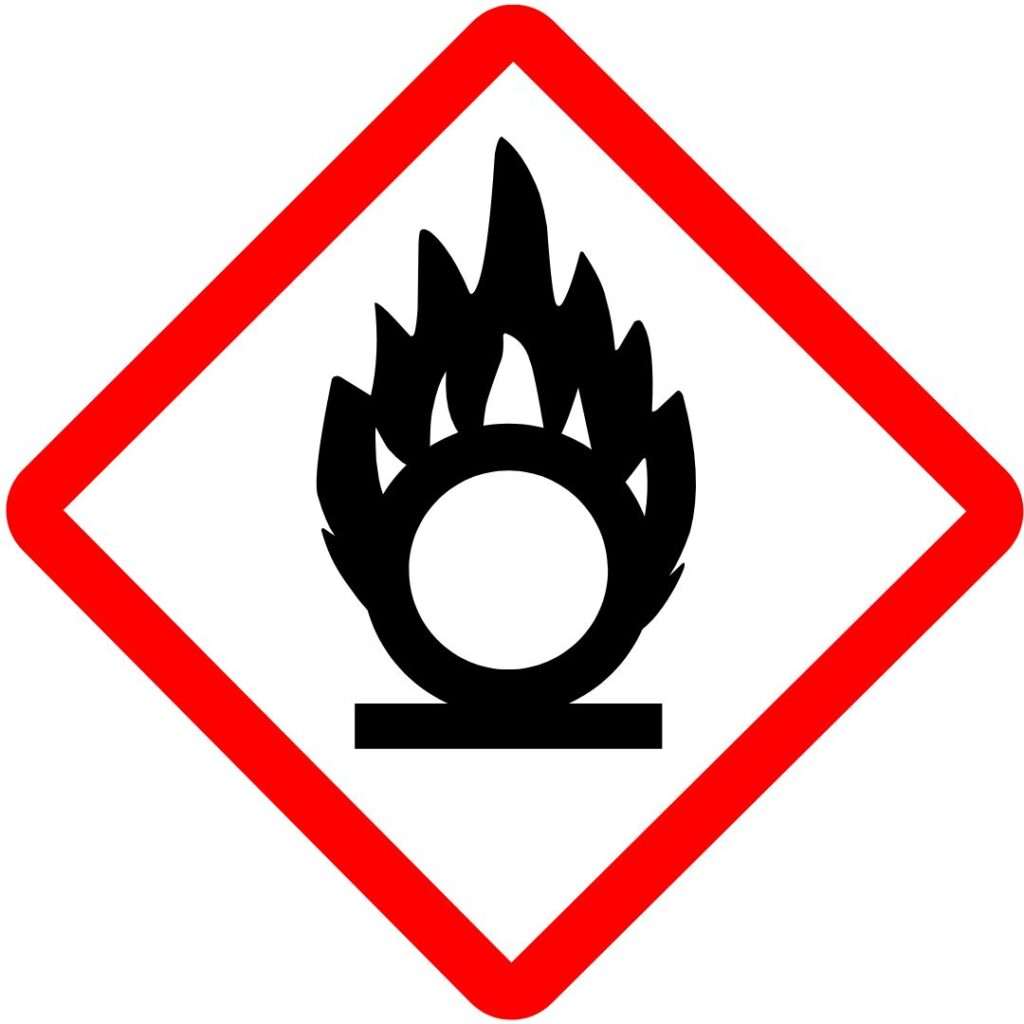
Oxidising:
Chemicals that can intensify a fire or help other substances ignite by releasing oxygen during a reaction.
How to Handle Hazardous Chemicals Safely
When working with hazardous substances, the labelling should include relevant hazard pictograms, warnings words, and H- and P-phrases (hazard and precautionary statements).
You should always:
- Carefully read the label before use
- Check the SDS for details
- Follow the handling instructions precisely
- Wear the correct personal protective equipment (PPE)
- Make sure there is adequate ventilation
- Avoid mixing different substances unless explicitly instructed
- Wash hands, clothing, and tools thoroughly after use
- Seek immediate medical help or contact emergencies if an accident occurs
If a chemical product does not include hazard symbols or safety information, the employer or supplier should be notified, as they are responsible for ensuring that this information is available and compliant with regulations.
Legal Frameworks and Regulations
In Europe, chemical labelling is based on the EU CLP Regulation (Classification, Labelling and Packaging), which is built on the GHS (Globally Harmonised System). This common framework ensures a global approach so that everyone uses the same symbols and definitions.
The REACH Regulation (Registration, Evaluation, Authorisation and Restriction of Chemicals) regulates how chemicals are registered, evaluated, and authorised before being places on the market.
Together, CLP and REACH form the backbone of chemical safety legislation in Europe and also influence regulatory systems in other regions.
Other relevant international regulations include:
- United States: The OSHA (Occupational Safety and Health Administration) HCS (Hazard Communication Standard), which aligns with the GHS system
- Canada: The WHMIS (Workplace Hazardous Materials Information System), which incorporates GHS principles for chemical classification and labelling
- Australia: The WHS (Work Health and Safety) Regulations, which also follow GHS principles for classification and labelling
- Asia-Pacific and other regions: Many countries, such as Japan, South Korea, and Singapore, have implemented GHS-aligned regulations for labeling and SDS requirements
In addition to international systems like GHS and CLP, many countries have developed their own national frameworks or designated regulatory authorities to ensure that chemical classification, labelling, and safety practices are properly followed. While the overall principles of hazard communication remain the same worldwide, the implementation and enforcement of these systems can differ slightly from country to country.
Why Hazard Symbols Matter
Hazard symbols might seem small, but their impact can be huge. They serve as the visual language of chemical safety, ensuring that anyone, anywhere, can understand a product’s dangers immediately.
By learning what these symbols mean and following the accompanying safety instructions, individuals and companies can create safer workplaces, prevent accidents, and contribute to global efforts to protect health and the environment.