Chemical use is unavoidable in the oil and gas sector, yet many companies still overlook the importance of keeping a structured and up-to-date chemical inventory. Understanding why this tool is essential can help strengthen your HSE strategy and overall HSE management.
Building a Safer and More Transparent Workplace
Clear Insight Into Chemicals on Site
A well-managed chemical inventory acts as a central hub for all information related to chemical products used across a company. It provides visibility into:
Which chemicals are present
Where they are located
How they are stored and handled
This level of clarity helps companies remove obsolete products, reduce duplication, and eliminate unnecessary risks.
Meeting Regulatory Expectations Across Borders
Organisations working internationally must navigate a complex landscape of chemical safety laws. These may include:
A chemical inventory ensures safety data sheets (SDS) are updated, hazard classifications are accurate, and documentation is readily available for inspections or audits – key elements of strong HSE compliance.
Internal Control and Reliable Documentation
An inventory supports systematic HSE management by creating a consistent record of:
The hazards each chemical presents
The control measures implemented
The status of safety documentation
This strengthens reporting and enables the HSE manager, or other responsible, to monitor chemical risks more effectively.
Empowering Employees Through Information Access
Training and Safer Daily Practices
Employees depend on reliable information when working with chemicals. By using a centralised inventory, teams can quickly access hazard labels, exposure guidelines, protective equipment requirements, and safe handling instructions. This can improve both onboarding and routine training, reducing the likelihood of unsafe practices.
Preventing Chemical-Related Incidents
Accidents involving chemicals often result from improper storage, incompatible substances, or incomplete hazard awareness. A robust inventory helps prevent these issues by ensuring accurate information is immediately available when needed. This reduces injuries, equipment damage, and unplanned downtime, all critical factors in high-risk environments like oil and gas operations.
Enhanced Preparedness and Planning
Risk Assessments and Informed Decision-Making
A chemical inventory provides the data needed to carry out thorough risk assessments, including details on exposure hazards, and special handling requirements. This leads to more accurate evaluations and better-informed decisions when working with chemicals.
Faster Emergency Response
During an emergency – for example spills, leaks, or fires – quick access to accurate information can significantly reduce harm. A chemical inventory enables responders to instantly view emergency procedures, first-aid guidelines, and recommended containment actions, supporting faster, safer incident management.
Supporting Substitution and Sustainability
As companies strive to minimise their environmental impact, substituting hazardous chemicals with safer alternatives has become a key priority. A chemical inventory simplifies this process by helping identify substances of concern, compare alternatives, and document substitution decisions.
Driving Efficiency and Strengthening Safety Culture
Streamlined Operations Reduces Workload
A chemical inventory can reduce manual record-keeping and ensure that SDS and hazard classifications updates occur automatically. This can improve collaborations between employees and departments, ultimately saving time and lowering operational costs.
Embedding a Culture of Safety
When chemical information is transparent, accessible, and up to date, employees feel empowered to work safely and responsibly. A reliable inventory reinforces the message that safety is a shared priority and helps build a culture where proper chemical management becomes second nature.
Because hazardous chemicals are an unavoidable part of oil and gas operations, a structured chemical inventory becomes essential. It provides the control, transparency, and safety foundation needed to manage these substances responsibly. By adopting a modern, up-to-date inventory, companies can reduce risks, strengthen compliance, and create a safer, more efficient workplace – exactly what an effective HSE strategy aims to achieve.
Managing chemicals safely is a critical responsibility in any industry, but it becomes particularly demanding in complex, high-risk sectors such as oil and gas, petrochemicals, energy, manufacturing, and large-scale industrial operations. A well-designed chemical management provides structure, reduce manual work, and strengthens HSE performance.
But with so many solutions on the market, how do you identify a system that truly meets your company’s needs?
Start with the User Experience
Before anything else, consider how easily your workforce can use the system. A chemical management tool is only effective if people rely on it during daily tasks. Modern operations require accessibility at all times, whether on site, during inspections, or at remote or offshore installations. This means the system must function across devices and in conditions with limited connectivity.
Aim for Automation That Reduces Workload
Manual follow-up of chemical data is time consuming and increases the likelihood of error. Automation plays a major role in preventing outdated information and ensuring that compliance tasks are completed on time. Look for a system that actively supports the workflow rather than simply storing information.
Evaluate How Well the System Handles Global Compliance
Companies working across borders must follow numerous regulatory frameworks, from REACH and CLP in the EU to OSHA in the US. A suitable system must adapt to local requirements while supporting an overarching corporate standard.
Ensure Data Transfer from the Existing System Is Secure and Efficient
For many companies, the challenge is not adopting a new system but ensuring that valuable historical data remains intact. Safety data sheets (SDS), risk assessments, chemical lists, and exposure information must be transferred accurately to avoid starting from zero.
Confirm That Proper Training and Support Are Available
Introducing new software requires guidance and ongoing support to ensure long-term adoption. Without this, even the best system will underperform. Make sure adequate training and support are in place.
Assess Data Protection and Security Capabilities
Chemical information can reveal sensitive details about production methods, research activities, and operational strategy. Exposure records may also qualify as health data under privacy laws, and secure data handling is therefore necessary.
Look for Strong Reporting and Documentation Tools
Audits, inspections, and internal reviews require clear and reliable reporting. A flexible reporting module helps you demonstrate compliance, monitor performance, and maintain transparency with clients, regulatory authorities, and corporate management.
Understand the Pricing Model
Prices vary widely between suppliers and are often based on users, modules, data volume, or a combination of all three. For large companies with extensive field operations, cost predictability is particularly important.
Choose a System with Scalability Opportunities
A chemical management solution should support structural changes, new business units, expansion into new regions, and increased data volumes. Flexibility is crucial for multinational organisations and companies with diverse operations.
Selecting the right chemical management system is an investment in safety, compliance, and operational efficiency. Taking the time to evaluate your needs thoroughly will help you avoid costly transitions later and ensure that the chosen solution supports your long-term strategy. A smart decision today prevents challenges tomorrow.
Download a Free Evaluation Checklist
Below is a comprehensive checklist to help you assess whether a chemical management system meets your company’s needs or not.
Chemicals play an important role in many industries. They are found everywhere – from laboratories and factories to agriculture, cleaning, and construction. Alongside their usefulness comes a duty: ensuring that people and the environment are protected from potential harm. That is where hazard symbols and chemical labelling come in.
In this article, we have gathered everything you need to know about hazard symbols, what they mean, how they should be used, and the relevant laws and regulations.
Hazard Symbols Explained
What exactly is a hazard symbol? A hazard symbol (also known as a pictogram or chemical hazard label) is a standardised image that represents the risk a chemical product may pose to human, health, property, or the environment.
The goal is to provide clarity when working with hazardous chemicals. Anyone, regardless of background or language, should be able to recognize and understand the potential danger. For example, a picture of a skull instantly signals that the product is poisonous. This universal design makes chemical safety communication clear, fast, and effective.
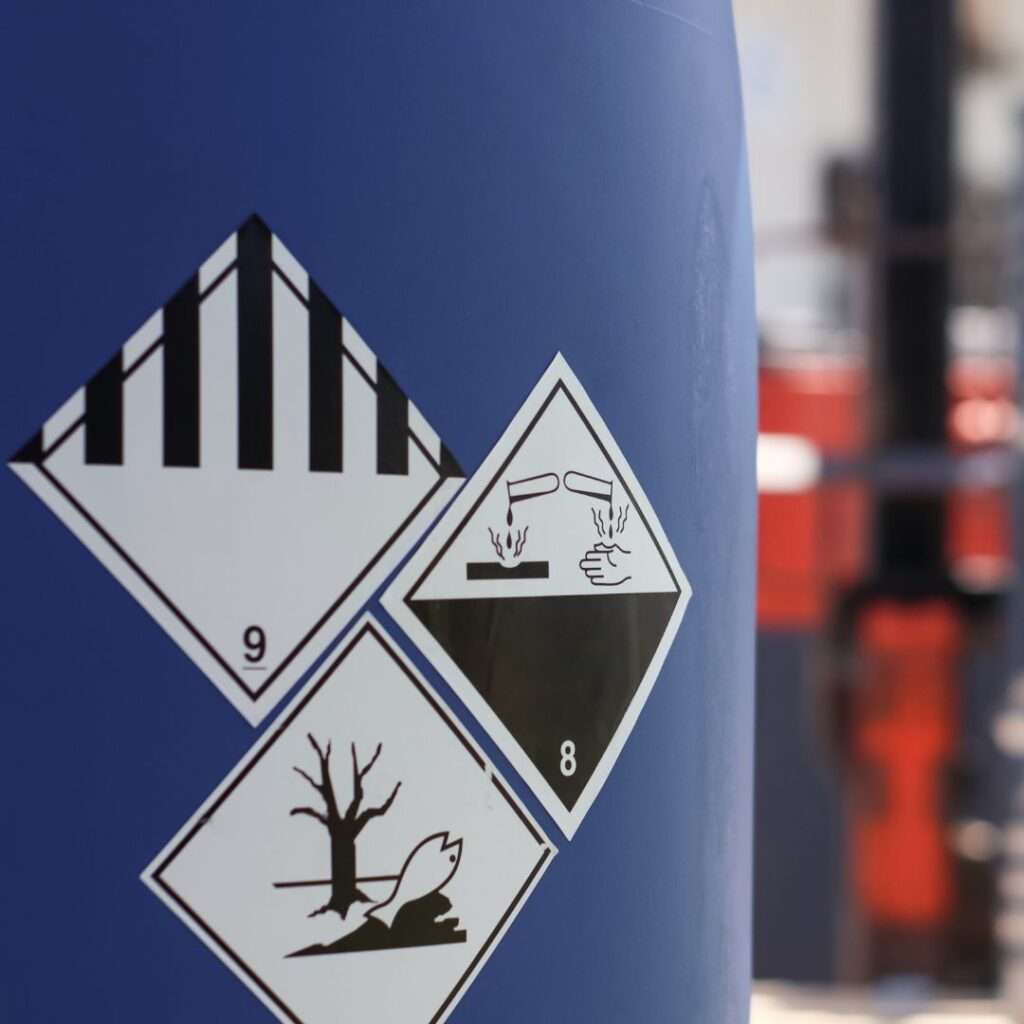
Where are hazard symbols located? Hazard symbols are always clearly displayed on any product containing hazardous chemicals, for example:
On storage containers or cabinets where chemical are kept in bulk
Some workplaces also use larger versions of the pictograms on signage to remind employees of potential hazards in specific areas, such as storage rooms, mixing stations, or production lines.
What Do the Hazard Symbols Mean?
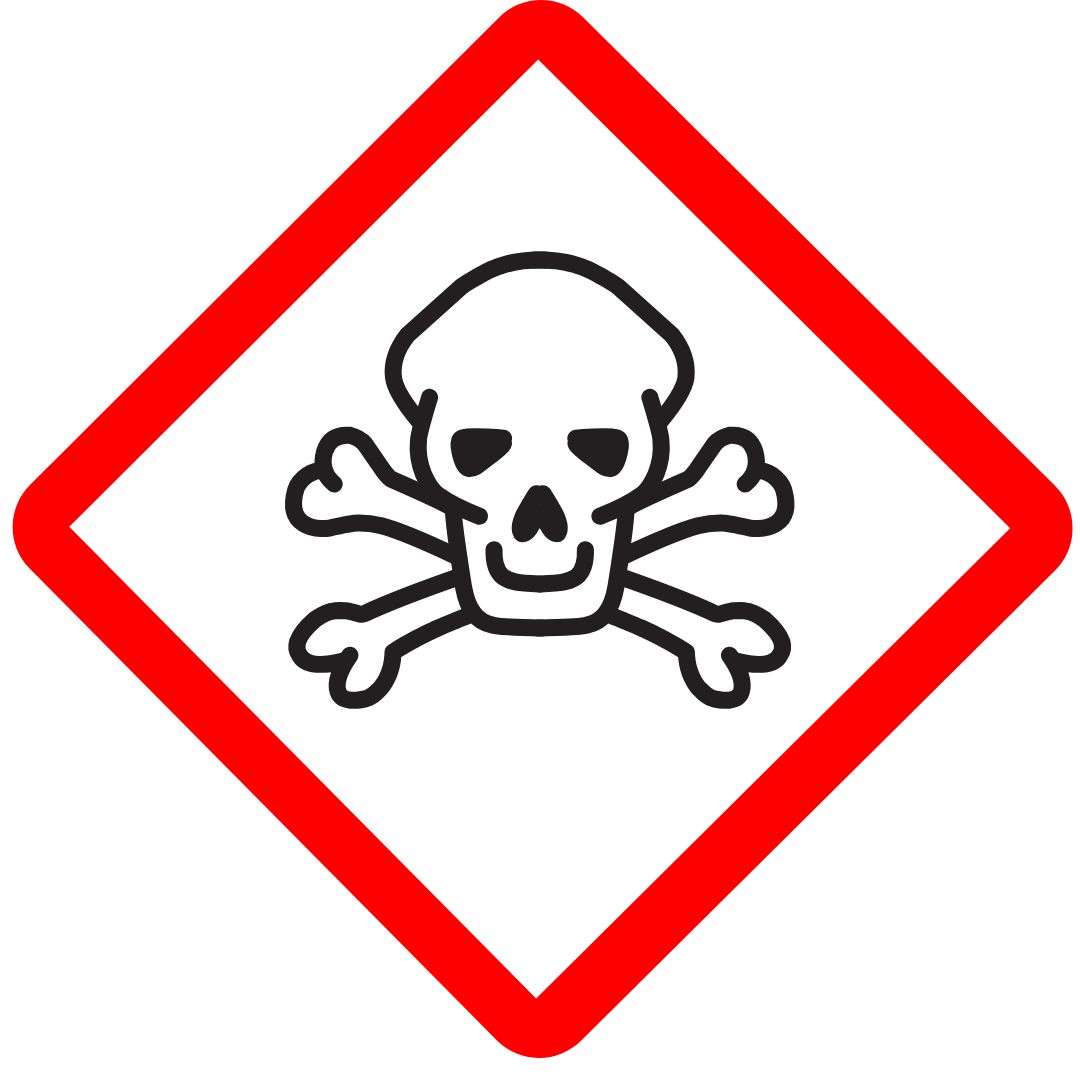
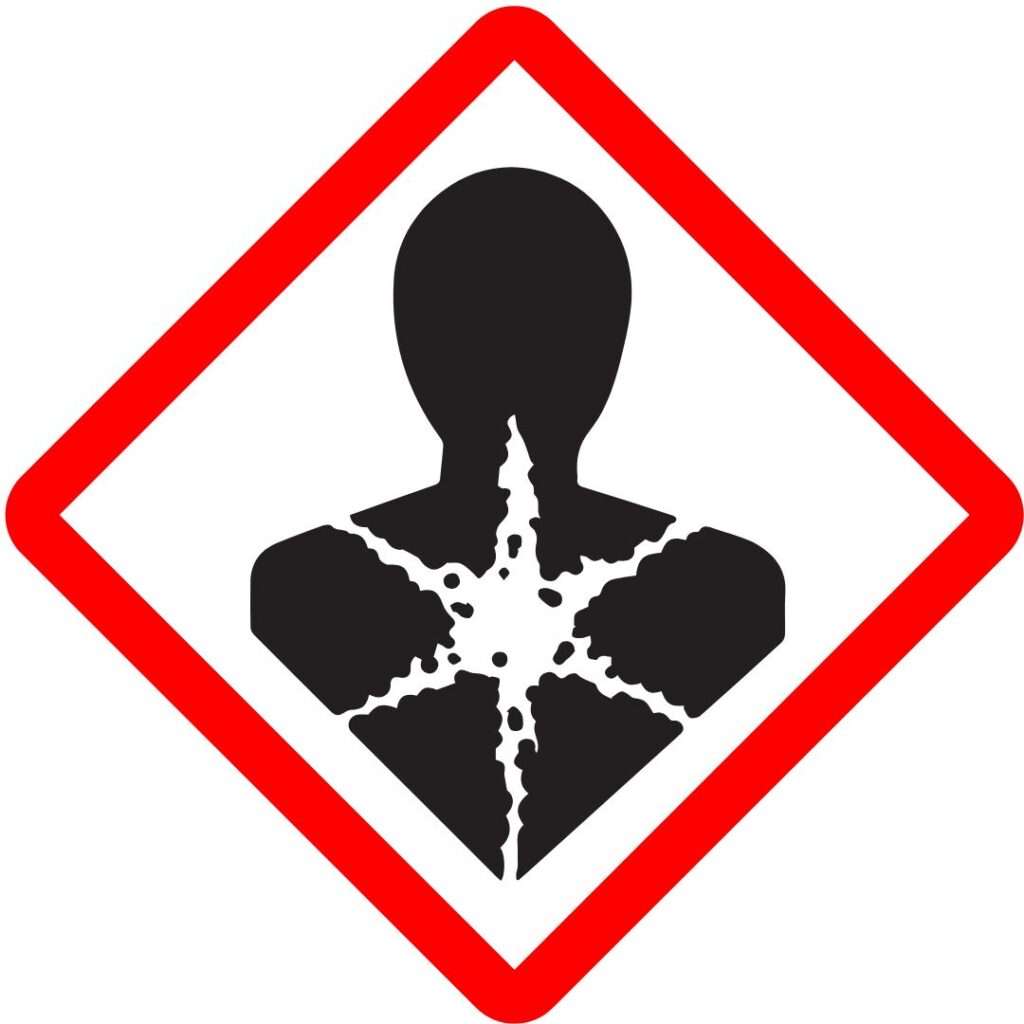
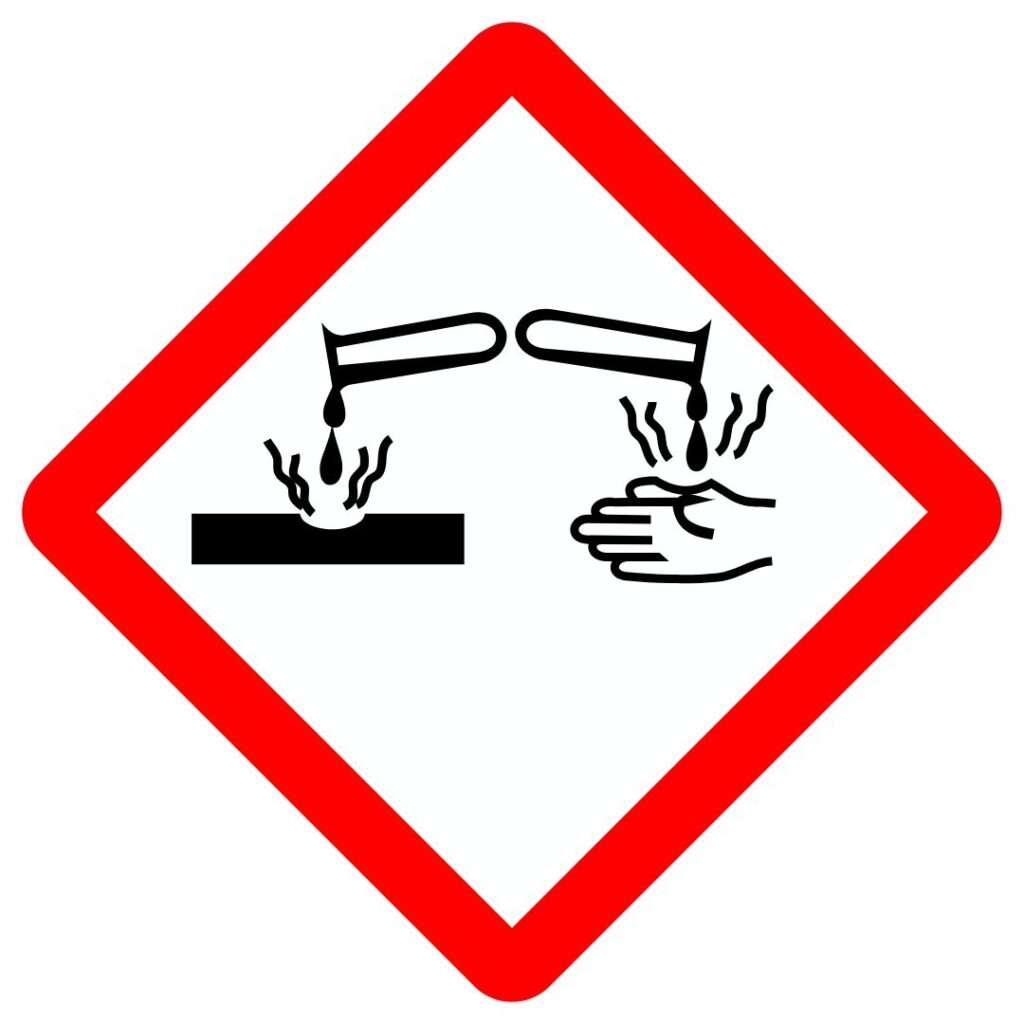
Hazard symbols are recognisable as red and white diamonds. Each symbol has its own meaning, and these are the most common ones:
Acute toxicity: Substances that can cause severe poisoning or be fatal if swallowed, inhaled, or absorbed through the skin.
Chronic health hazard:
Used for substances that can cause long-term health problems such as cancer, genetic mutations, reproductive damage, or chronic respiratory issues.
Corrosive:
Chemicals that can destroy skin, eyes, or other materials. They may also corrode metals or surfaces they come into contact with.
Environmental hazard:
Indicates that a substance is toxic to aquatic life or may cause long-term harm to ecosystems. These chemicals must be disposed of carefully to prevent environmental contamination.
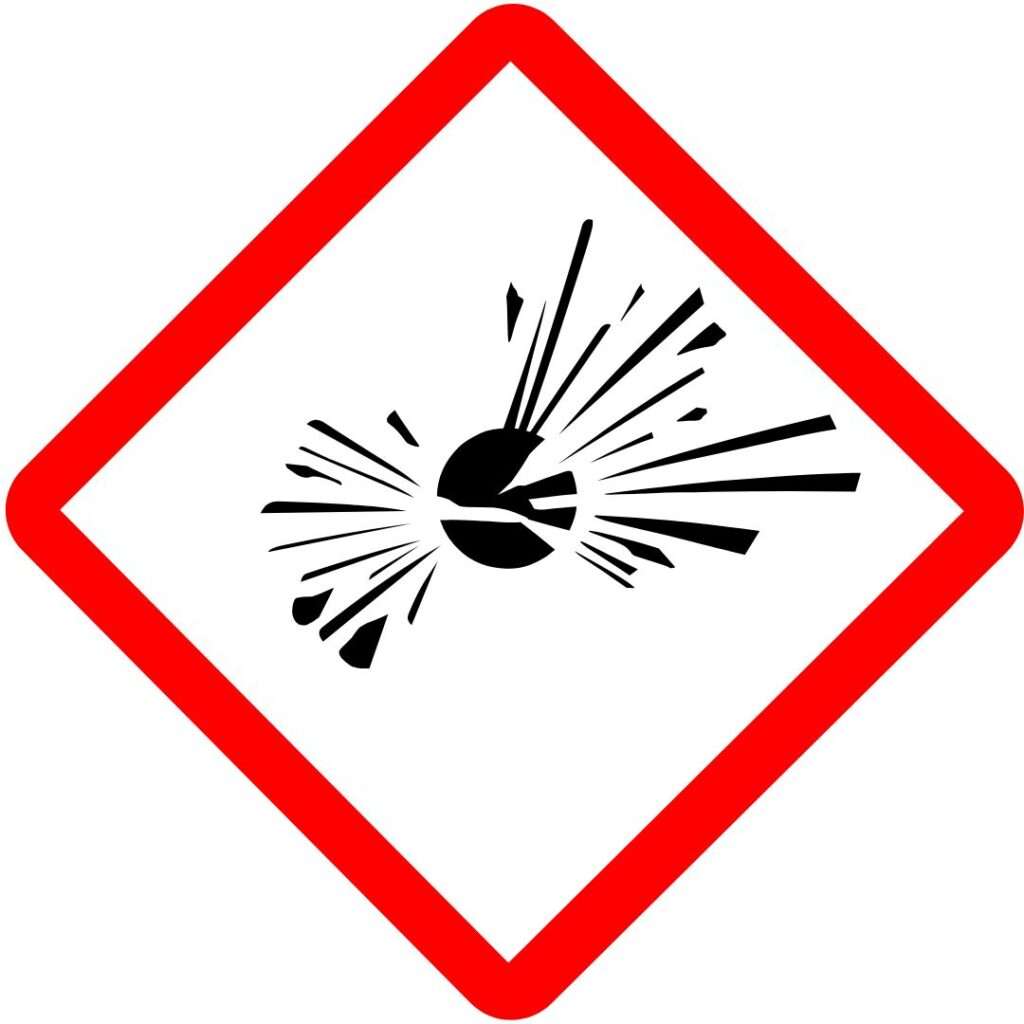
Explosive:
Substances or mixtures that may explode when exposed to impact, friction, or heat. They must be handled and stored under strict conditions.
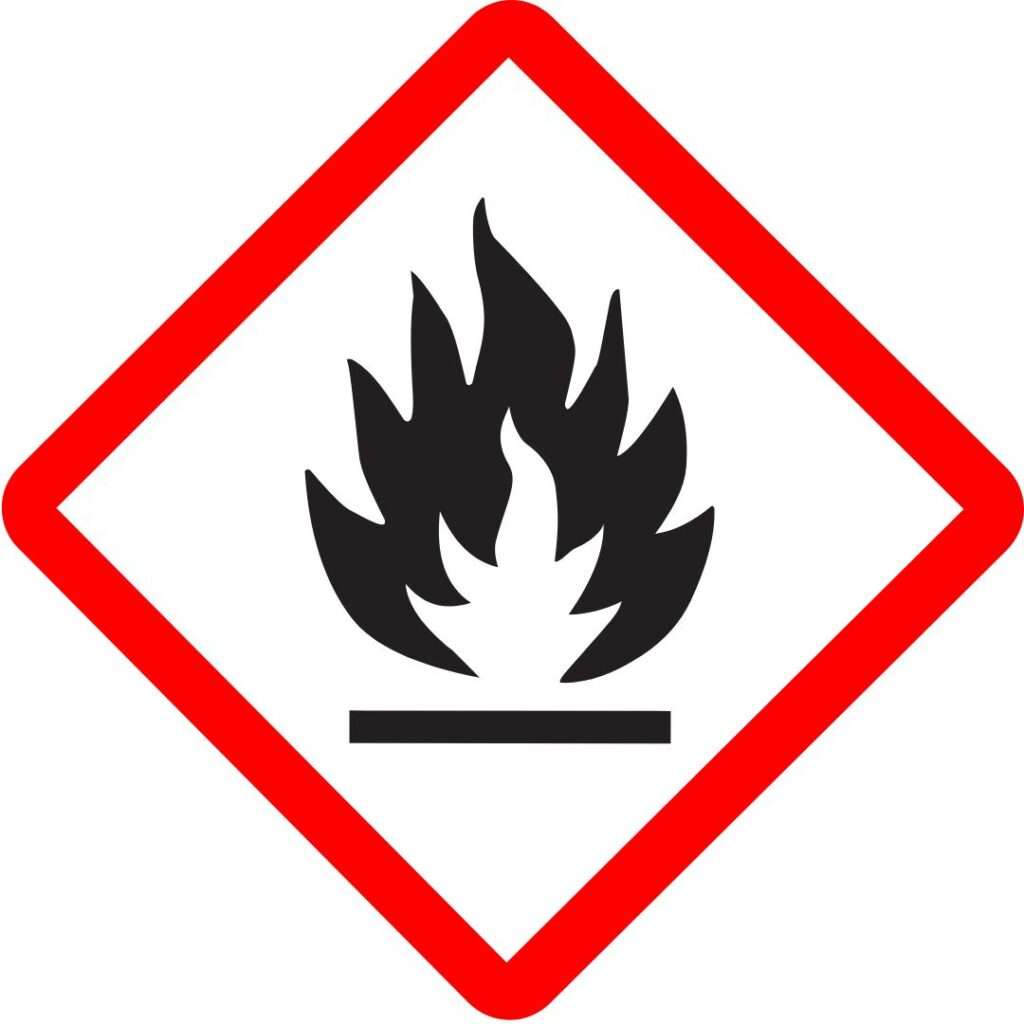
Flammable:
Used for liquids, gases, and solids that can easily catch fire. Some may ignite spontaneously in air or release flammable gas when in contact with water.
Gas under pressure:
Identifies cylinders or containers holding compressed, liquefied, or refrigerated gases. These can explode if exposed to heat or cause cold burns upon contact.
Health hazard (irritant):
Indicates products that can cause irritation to the eyes, skin, or airways, trigger allergic reactions, or cause dizziness or drowsiness.
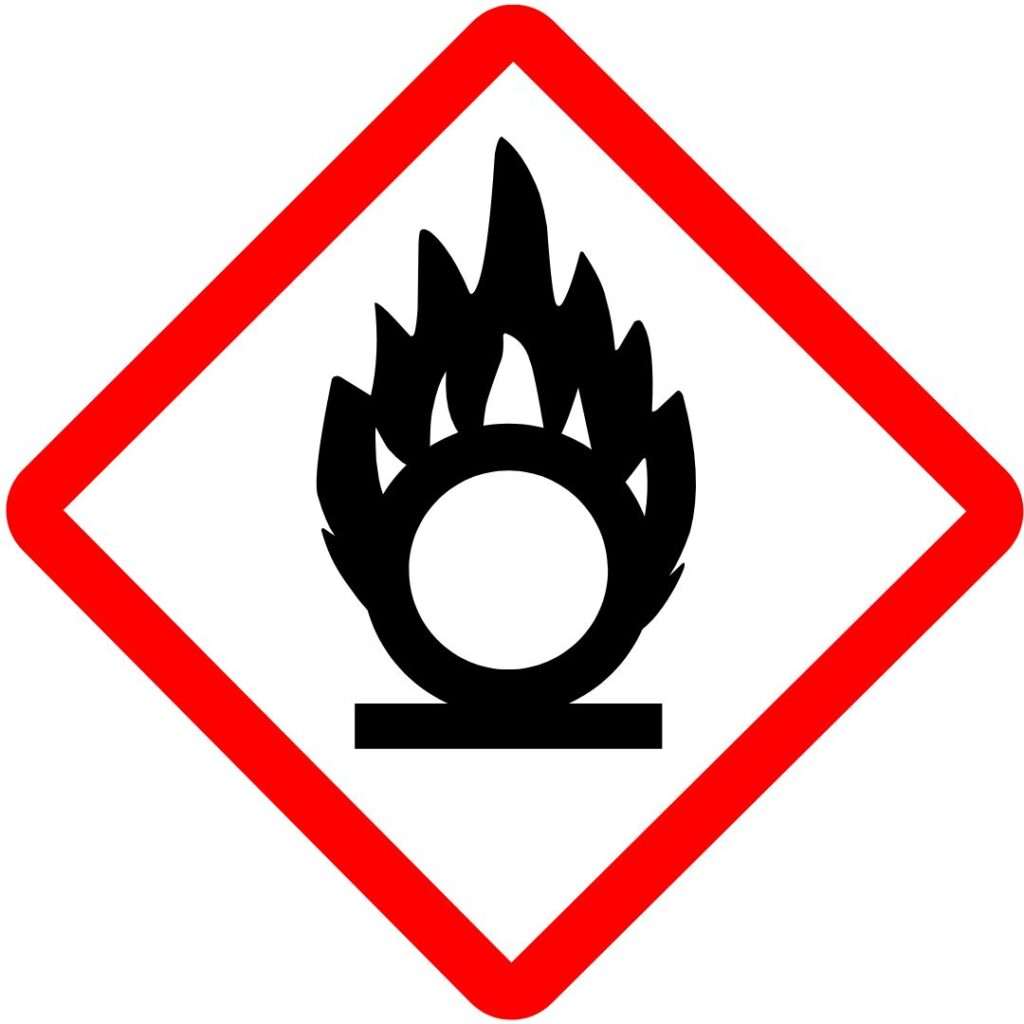
Oxidising:
Chemicals that can intensify a fire or help other substances ignite by releasing oxygen during a reaction.
How to Handle Hazardous Chemicals Safely
When working with hazardous substances, the labelling should include relevant hazard pictograms, warnings words, and H- and P-phrases (hazard and precautionary statements).
You should always:
Carefully read the label before use
Check the SDS for details
Follow the handling instructions precisely
Wear the correct personal protective equipment (PPE)
Make sure there is adequate ventilation
Avoid mixing different substances unless explicitly instructed
Wash hands, clothing, and tools thoroughly after use
Seek immediate medical help or contact emergencies if an accident occurs
If a chemical product does not include hazard symbols or safety information, the employer or supplier should be notified, as they are responsible for ensuring that this information is available and compliant with regulations.
Legal Frameworks and Regulations
In Europe, chemical labelling is based on the EU CLP Regulation(Classification, Labelling and Packaging), which is built on the GHS (Globally Harmonised System). This common framework ensures a global approach so that everyone uses the same symbols and definitions.
The REACH Regulation(Registration, Evaluation, Authorisation and Restriction of Chemicals) regulates how chemicals are registered, evaluated, and authorised before being places on the market.
Together, CLP and REACH form the backbone of chemical safety legislation in Europe and also influence regulatory systems in other regions.
Other relevant international regulations include:
United States: The OSHA (Occupational Safety and Health Administration) HCS (Hazard Communication Standard), which aligns with the GHS system
Canada: The WHMIS (Workplace Hazardous Materials Information System), which incorporates GHS principles for chemical classification and labelling
Australia: The WHS (Work Health and Safety) Regulations, which also follow GHS principles for classification and labelling
Asia-Pacific and other regions: Many countries, such as Japan, South Korea, and Singapore, have implemented GHS-aligned regulations for labeling and SDS requirements
In addition to international systems like GHS and CLP, many countries have developed their own national frameworks or designated regulatory authorities to ensure that chemical classification, labelling, and safety practices are properly followed. While the overall principles of hazard communication remain the same worldwide, the implementation and enforcement of these systems can differ slightly from country to country.
Why Hazard Symbols Matter
Hazard symbols might seem small, but their impact can be huge. They serve as the visual language of chemical safety, ensuring that anyone, anywhere, can understand a product’s dangers immediately.
By learning what these symbols mean and following the accompanying safety instructions, individuals and companies can create safer workplaces, prevent accidents, and contribute to global efforts to protect health and the environment.
Cancer remains the most common cause of work-related death, accounting for more than half of all occupational fatalities in Western countries. One of the main reasons is exposure to carcinogenic chemicals at work.
What Are Carcinogenic Chemicals?
Carcinogenic chemicalsare substances that can cause cancer or increase its likelihood after prolonged or repeated exposure. They may act by damaging genetic material (DNA), disrupting cell processes, or triggering chronic inflammation that leads to cancer development over time.
Such chemicals can be naturally occurring, like asbestos and radon, or man-made, such as benzene, formaldehyde, or certain polycyclic aromatic hydrocarbons (PAHs). In many workplaces, carcinogens are found not only as raw materials but also as by-products of industrial processes, such as welding fumes, diesel exhaust, or dust generated during mineral work.
Because cancer often take decades to develop, the danger is not always immediately visible. This makes early identification, control, and documentation of exposures vital to prevent long-term harm and ensure a healthy working life.
Examples of Carcinogenic Chemicals
Asbestos: Still present in older buildings, released during renovation or demolition
Diesel exhaust: From vehicles and machinery in poorly ventilated areas
Radon gas: In tunnels, basements, and mining operations
Respirable crystalline silica (quartz): From drilling, cutting, or sandblasting mineral materials
Welding fumes: A mixture of metal oxides, gases, and particles
Why Carcinogenic Chemicals Should Be a Priority
Most cases of work-related cancer can be prevented, but only if we know who is exposed, to what, and in what quantities. However, many companies lack sufficient oversight and documentation, making effective prevention difficult.
There is a clear need for better registration of chemical exposures, systematic follow-up, and preventative measures.
Substitution: Replacing Hazardous Chemicals Before They Cause Harm
One of the most effective ways to prevent exposure is through substitution and replacing hazardous substances and processes with safer alternatives. Reducing the use of carcinogenic or otherwise harmful chemicals lowers the risk of disease, improves workplace safety, and contributes to a more sustainable business.
The Exposure Register
A helpful but often overlooked tool is the exposure register, which keeps track of employees who are, or may be, exposed to hazardous substances.
The exposure register has three critical purposes:
To give employers an overview of who has been exposed to harmful conditions
To ensure tracability over time
To provide evidence in cases of occupational disease or compensation claims
The goal is not only compliance, but also the long-term protection of employees’ health.
Today, digital health, safety, and environment (HSE) tools make it possible to manage this work systematically and transparently.
Building a Culture of Responsibility
A systematic focus on documenting, substitution, and chemical control is not only effective HSE practice but also socially and economically responsible.
For affected workers, work-related cancer can mean loss of health, income, and quality of life. For society, it entails significant costs for healthcare, social security, and lost productivity. Preventing such outcomes through better documentation and safer chemical choices benefits everyone.
By combining knowledge of carcinogenic risks, active substitution, and digital tools for chemical management, companies can create safer workplaces and protect the health of future generations.
If your company uses products containing chemicals, you have probably heard about safety data sheet (SDS), but might not know exactly why they are required, what they must contain, and how to manage them effectively. This article explains the essentials.
What Is a Safety Data Sheet (SDS)?
An SDS is a formal document that provides detailed information on the safe use, handling, and storage of a specific chemical. It outlines what the substance is, what hazards it presents, and what to do in the event of an accident.
Every SDS follows the same internationally recognised 16-section format, making it easy to locate the right information quickly and ensure consistent understanding.
Why Safety Data Sheet Are Important
SDS are not just helpful, they are a legal and practical requirement. They:
Protect employees and contractors from exposure risks
Support compliance with chemical safety regulations such as REACH and CLP
Guide first-aid and firefighting procedures
Help prevent spills, contamination, and accidents
Provide essential reference material during audits, inspections, and risk assessments
Safety Data Sheet vs. Chemical Inventory
It is easy to mix up the two terms, but they serve different purposes:
Safety Data Sheet (SDS): Provides details about one specific chemical or product
Chemical Inventory: Lists all chemicals used within an organisation, each supported by its own SDS
Together, they form the backbone of effective chemical safety management.
Safety Data Sheet as Part of the HSE Strategy
SDS play an essential part of any organisation’s health, safety, and environmental (HSE) strategy, and are required by law under international chemical safety regulations such as REACH and CLP.
SDS also helps employees understand the risks associated with each chemical, support correct storage and labelling, and outline what to do in the event of exposure, fire, or spills.
Situations Where SDS Are Essential:
When receiving new chemicals into the workplace
During transport or shipment of hazardous materials
In the event of a fire, spill, or exposure incident
Hazard identification: Key health, fire, and environmental hazards
Composition: Chemical ingredients and hazardous components
First-aid measures: Immediate actions to take in case of exposure
Firefighting measures: Suitable extinguishing methods and safety precautions
Accidental release measures: Procedures for managing leaks or spills
Handling and storage: Safe practices and storage requirements
Exposure controls / Personal protection: Exposure limits and protective equipment
Physical and chemical properties: Appearance and other physical data
Stability and reactivity: Conditions that may trigger dangerous reactions
Toxicological information: Effects on human health
Ecological information: Environmental impact and persistence
Disposal considerations: Safe disposal and waste management
Transport information: UN number and transport requirements
Regulatory information: Relevant laws and regulations
Other information: Additional details
Roles and Responsibilities
Chemical suppliers must prepare accurate and up-to-date SDS for all hazardous products they provide. These documents should be freely available, clearly written, and revised whenever new hazard information or regulatory changes occur.
Employers are responsible for maintaining an up-to-date chemical inventory and SDS database. This means:
Checking each SDS before introducing new chemical products
Replacing outdated versions when new information becomes available
Ensuring employees know where to find and how to read SDS
Verifying that all safety guidance is followed in daily operations
If an SDS is incomplete or unclear, it is the employer’s duty to request clarification or a revision from the supplier.
Employees also have a vital role in maintaining a safe working environment by following established procedures and using the information provided in SDSs correctly.
Common Issues and How to Avoid Them
Keeping Information Up to Date
When chemicals are sourced from several suppliers, updates to SDS can arrive at any time and in different formats. Without a reliable system for tracking these changes, outdated or incomplete documents may remain in circulation, potentially putting safety at risk.
To stay compliant and ensure accuracy, organisations should have clear routines for reviewing and updating their chemical inventory. Using a digital management system that automatically flags new or expired documents can make this process far more efficient and reliable.
Ensuring Access and Understanding
It is not enough for SDS to exist. Employees must be able to find and understand them easily. Whether staff are working in a production area, construction site, or on a remote location, they need quick access to the relevant SDS whenever required.
Equally important is comprehension. Workers should know how to interpret hazard symbols, understand key safety instructions, and recognise which sections to consult during routine work or emergencies. Regular training and refresher sessions can help turn SDS from static documents into practical tools for everyday safety.
When SDS are well managed, they do more than satisfy legal requirements – they help create a safer, more confident workplace for everyone who handles hazardous chemicals. By keeping documents current, accessible, and understood, SDS become more than just a formality, they become a part of everyday practice.