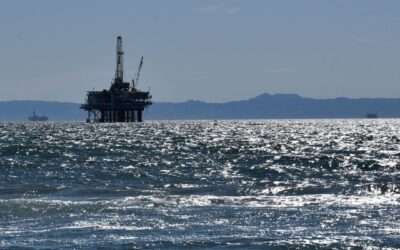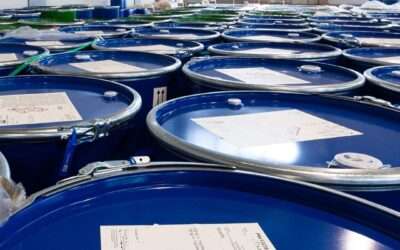
Floating Production Storage and Offloading (FPSO) facilities use a wide range of chemicals across production, processing, maintenance and marine operations. These chemicals are essential for maintaining production, protecting equipment, treating produced fluids and supporting safe day-to-day operations.
For HSE managers and others responsible for chemical management on an FPSO, this means managing chemicals across different processes, locations and work activities, often with different hazards, requirements and environmental considerations.
What chemicals are used on FPSO facilities?
The exact chemicals used on an FPSO depend on the characteristics of the reservoir, production process, facility and operating conditions. However, several categories of production chemicals are commonly associated with offshore oil and gas production.
These can include:
- Corrosion inhibitors to protect pipelines, vessels and process equipment from corrosion.
- Scale inhibitors to prevent mineral deposits that can restrict flow and affect equipment.
- Demulsifiers to support the separation of oil and water during processing.
- Biocides to control microbial growth and reduce the risk of microbiologically influenced corrosion.
- Hydrate inhibitors, such as methanol and monoethylene glycol (MEG), to help prevent hydrate formation.
- H₂S scavengers to remove or reduce hydrogen sulphide in produced fluids and gas.
- Wax and asphaltene inhibitors to reduce deposits and support flow assurance.
- Water treatment chemicals used as part of produced-water, injection-water and utility systems.
The chemicals required, their concentrations and where they are applied can vary significantly between FPSOs.
Chemicals are used beyond the production process
Production chemicals are only one part of the chemical inventory onboard an FPSO.
Maintenance and asset integrity activities can involve paints, coatings, lubricants, solvents, degreasers, cleaning agents, adhesives and other chemical products. Laboratories may use reagents and test chemicals, while utility systems can require chemicals for water treatment, cooling systems or other supporting processes.
Marine operations introduce additional areas of chemical use associated with the vessel itself, including cleaning, maintenance, fuel and lubrication systems and offloading activities.
A chemical inventory can therefore contain products used by many different teams and for very different purposes.
Why is chemical management important on an FPSO?
The combination of production, processing, storage and marine operations makes chemical management on an FPSO particularly complex.
HSE managers and operational leaders need to understand not only which chemicals are onboard, but also where they are used, their hazards, how personnel may be exposed and which requirements apply to their use.
Effective chemical management can include maintaining:
- An accurate chemical inventory
- Up-to-date safety data sheets (SDS)
- Chemical approvals and documentation
- Chemical risk assessments
- Information about exposure and protective measures
- Substitution assessments for hazardous chemicals
- Clear responsibilities and workflows
Keeping this information current can become challenging when chemicals are introduced, replaced, moved between locations or used across several departments.
Managing chemicals across FPSO operations
Chemical management is rarely the responsibility of one team alone. Production and process personnel may be responsible for chemicals required for treatment and flow assurance. Maintenance teams manage products used for inspection, repair and asset integrity. Marine personnel have their own chemical requirements, while HSE teams need oversight of chemical hazards, exposure, documentation and compliance.
A common chemical management system can help these teams work from the same information rather than maintaining separate chemical lists, SDS collections and processes.
Chemical management for FPSOs and other facilities
The same chemical management challenges are found across many offshore and floating operations. FSOs, FLNG facilities, FSRUs, drilling rigs, production platforms and offshore support vessels can all use hazardous chemicals across production, maintenance and marine activities.
While the chemicals and processes vary between facilities, the underlying need is similar: knowing which chemicals are being used, where they are located, what risks they present and how they should be managed.